The Red Dragon’s Oath: King Charles, the Legend of the Dragons, and the Divine Duty to the Land Spirits
- King Charles’s coronation incorporated Welsh language and the red curtain box, symbolizing deep ties to Welsh mythology and the red dragon legend.
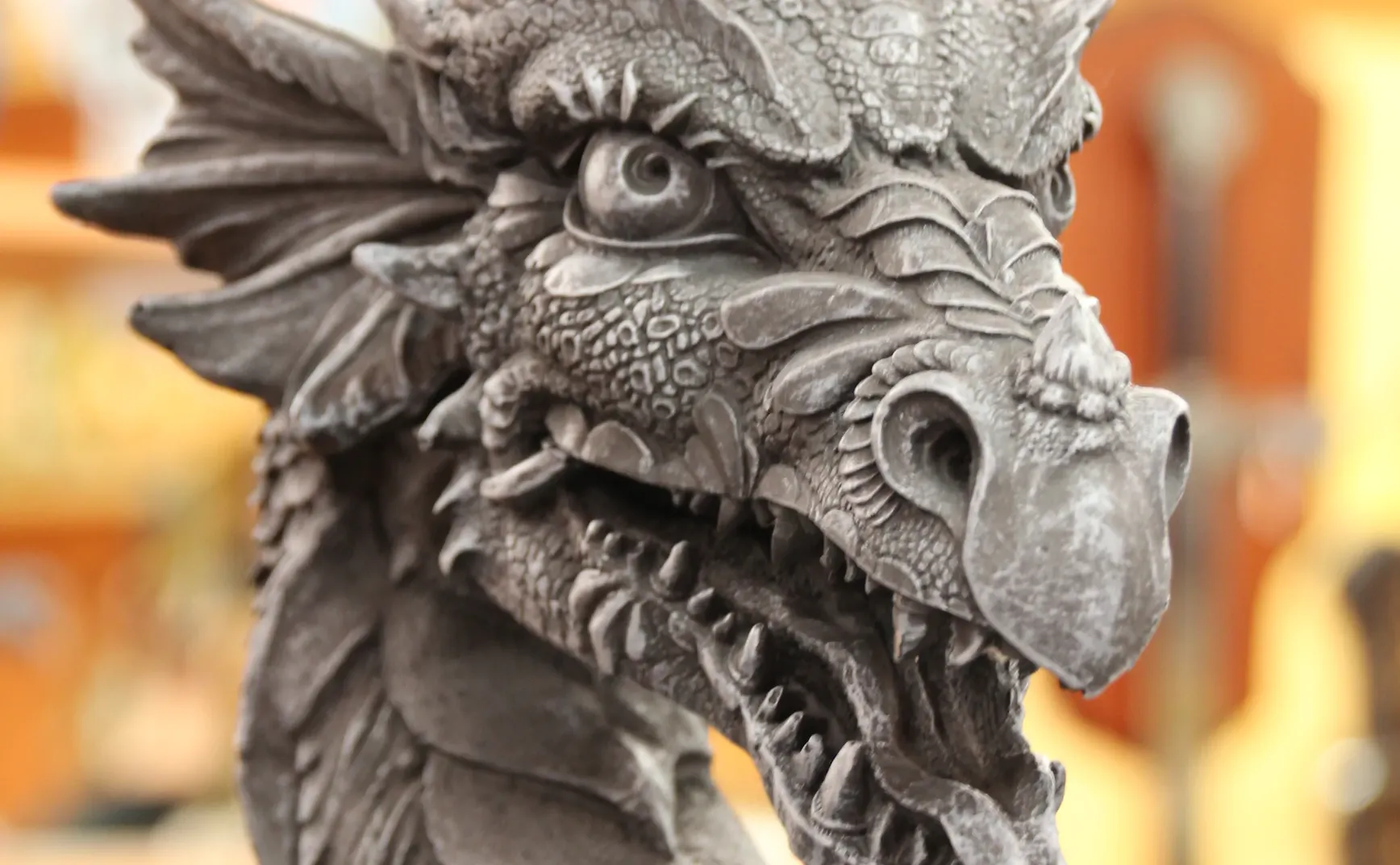
- The red dragon (Y Ddraig Goch) embodies Welsh identity, resilience, and the divine duty to protect the land against the white dragon, symbolizing Saxon invaders.
- Geoffrey of Monmouth’s Historia Regum Britanniae established King Arthur’s legendary connection to the red dragon and the struggle for Britain’s sovereignty.
- King Charles’s oaths and the red curtain box evoke esoteric meanings, suggesting his role as heir to Arthur’s legacy and a leader destined to usher in a new golden age of tradition.
- The story blends historical, mythological, and esoteric elements to portray King Charles as the rightful heir to Arthur’s mantle, bound by divine duty to the land spirits and the red dragon’s legacy.
Introduction
The coronation of King Charles III was not merely a political or ceremonial event but a profound moment laden with esoteric symbolism and mythological resonance.
At its heart lies the legend of the red and white dragons, an ancient Welsh myth that embodies the struggle between the native Britons and the invading Saxons. This legend, immortalized in Geoffrey of Monmouth’s Historia Regum Britanniae, connects King Charles to King Arthur, the mythic sovereign destined to restore Britain’s glory. The coronation’s use of Welsh language, the red curtain box, and the oaths spoken within it evoke hidden meanings that bind King Charles to the divine duty of protecting the land and its spirits. This narrative explores these themes, weaving together historical fact, mythological lore, and esoteric interpretation to reveal King Charles’s coronation as a sacred pact with the spirit of the red dragon and the land it guards.
The Coronation Ceremony: Symbolism and the Red Curtain Box
King Charles’s coronation was a spectacle rich in tradition and symbolism, but it also carried an air of mystery and esoteric significance. Central to the ceremony was the red curtain box, a symbol of the monarchy’s enduring strength and its sacred duty to the land and its people. The box, restored and embossed with the coronation crown and the king’s cypher, held briefing documents and important papers, continuing a tradition established by his predecessors. The color red, associated with confidence, strength, and the earth’s natural elements, underscored the monarchy’s deep connection to the land and its spirits.
Within this red curtain box, words were spoken in Welsh, a language rich with cultural heritage and mythological significance. The phrase “every inch of Briton for all the scrap metal,” though not widely documented, resonates with the historical struggles of the Welsh people against the Anglo-Saxons. This phrase symbolizes the resilience and strength of the Welsh people in their efforts to protect their land and cultural heritage, echoing the legendary battles between the red and white dragons.
The use of Welsh in the coronation ceremony was a significant gesture, highlighting the importance of the Welsh language and culture in the monarchy’s history. The words spoken in Welsh during the coronation, particularly the phrase “every inch of Briton for all the scrap metal,” are not directly found in the search results. However, the use of Welsh in the coronation service is a nod to the cultural heritage and identity of Wales, symbolizing respect and recognition for the Welsh people and their history.
The red curtain box can also be interpreted as a symbol of the monarchy’s connection to the land and its spirits. The color red is often associated with the earth and its natural elements, symbolizing the deep connection between the monarchy and the land it governs. The red curtain box, in this context, can be seen as a representation of the monarchy’s responsibility to protect and preserve the land and its cultural heritage.
The Legend of the Red and White Dragons: Historical and Mythological Context
Geoffrey of Monmouth and the Arthurian Legacy
Geoffrey of Monmouth, a Welsh cleric born around 1095, is renowned for his contributions to British historiography and the popularization of King Arthur’s tales. His work, Historia Regum Britanniae, is a chronicle of British history from its mythical origins through the seventh century, focusing extensively on King Arthur and incorporating elements of Welsh mythology and history.
Geoffrey’s work is significant for several reasons. It is the first text to bring the legend of King Arthur outside of Wales and to the attention of Europe. Geoffrey’s work includes the first mention of Merlin as a significant figure in Arthur’s story, and it also introduces the tale of Arthur’s conception and his eventual rise to power. The book was widely popular and was translated into several languages, making it a cornerstone of medieval literature and a key source for the Arthurian legend.
Geoffrey’s work is also noted for its strong Welsh perspective, highlighting the importance of Wales and its historical narratives. He integrated elements of Welsh mythology and history into his narrative, making Welsh culture more acceptable and integrated into British society. This is evident in his detailed accounts of Welsh kings and the struggles between the Britons and the Saxons, which are central to his narrative.
Geoffrey’s histories are rich with mythological elements, including tales of dragons, wizards, and prophecies. For instance, the story of the red and white dragons is a significant part of his narrative, symbolizing the struggle between the Britons and the Saxons. Merlin’s prophecies and the magical elements associated with Arthur’s reign are also prominent features of Geoffrey’s work. These elements added a layer of mysticism and wonder to the historical narrative, making it more captivating and enduring.
The red dragon, in particular, has become a symbol of Wales and its cultural heritage. Geoffrey’s work helped popularize this symbol, which is now prominently featured in Welsh culture and history. The red dragon is often associated with King Arthur and the resistance against Saxon invaders, symbolizing the spirit and resilience of the Welsh people.
Despite the controversies, Geoffrey’s work has had a lasting impact on British literature and culture. His narratives have inspired countless works of literature, including plays by Shakespeare, and have contributed to the enduring popularity of the Arthurian legend. The tales of Arthur and Merlin, as told by Geoffrey, have become integral parts of British mythology and continue to captivate audiences today.
The Divine Duty and the Land Spirits
The concept of divine duty in Welsh mythology is closely tied to the land and its spirits, particularly the red and white dragons. The red dragon, or Y Ddraig Goch, is a symbol of Wales and its people, representing their spirit, resilience, and cultural heritage. The red dragon is often associated with the divine duty of the Welsh people to protect their land and cultural identity, symbolizing the connection between the Welsh people and the divine forces that protect their land.
The red dragon is often depicted as a guardian spirit, representing the resilience of the land and its people. The dragon is seen as a symbol of the divine duty of the Welsh people to protect their land and cultural heritage, representing the resilience and strength of the Welsh people. The red dragon is also associated with the concept of divine power, symbolizing the connection between the Welsh people and the divine forces that protect their land.
The white dragon, or Y Ddraig Wen, is associated with the Anglo-Saxons and represents outside threats and forces seeking to conquer Wales. The white dragon is often depicted as a symbol of the challenges and struggles faced by the Welsh people in their efforts to protect their land and cultural heritage. The white dragon is also associated with the concept of divine duty, symbolizing the responsibility of the Welsh people to defend their land against external threats.
The battle between the red and white dragons is a significant part of Welsh mythology and history. The red dragon, representing the Welsh people, is often depicted as victorious over the white dragon, symbolizing the resilience and strength of the Welsh people in their efforts to protect their land and cultural heritage. The battle between the dragons is seen as a symbol of the divine duty of the Welsh people to defend their land against external threats.
The battle between the red and white dragons is a symbol of the eternal struggle between the Welsh and invading forces. The red dragon’s victory over the white dragon is seen as a hopeful future for Wales, symbolizing the resilience and strength of the Welsh people. The battle between the dragons is also associated with the concept of divine duty, symbolizing the responsibility of the Welsh people to protect their land and cultural heritage.
King Charles as the Heir to Arthur’s Legacy
The esoteric and mythological themes surrounding King Arthur’s legacy and his association with the red dragon are rich and complex. The Arthurian legend is not just a collection of stories but also a repository of esoteric knowledge, preserving the legacy of magic, witchcraft, and spiritual activation. The red dragon, a symbol of Welsh identity and the Arthurian legacy, represents the Welsh people’s struggle for independence and their cultural heritage. King Charles’s association with the red dragon and the Arthurian legacy underscores his connection to Welsh culture and history, and his coronation can be seen as a continuation of this legacy. The Arthurian legend has had a significant impact on British culture and politics, and its enduring influence continues to resonate today.
King Charles has been associated with the red dragon through his connection to Welsh culture and history. His coronation, which included the use of Welsh language elements and the red curtain box, can be seen as a continuation of the Arthurian legacy. The red dragon symbolizes the Welsh people’s struggle for independence and their cultural heritage, and King Charles’s association with this symbol underscores his connection to this legacy.
The Arthurian legend has had a significant impact on British culture and politics. For instance, Henry VII used the Arthurian Red Dragon banner during his march through Wales to take the English throne. The legend has also been used to justify political claims and territorial rights, reflecting its enduring influence on British society.
The Red Dragon Rising: A New Golden Age
The red dragon rising is seen as a sign of hope and redemption, symbolizing the resilience and strength of the Welsh people. It is also associated with the concept of a new golden age of traditions in Wales and Britain, representing a return to cultural heritage and a celebration of Welsh identity.
The red dragon is a symbol of the nation’s spirit, resilience, and pride. Its fiery red silhouette graces the national flag, and its tales are woven into the very fabric of Welsh culture. The red dragon is often seen as a protective and powerful symbol, representing strength, resilience, and protection for the Welsh people. The ancient legend of the red and white dragon has become an integral part of Welsh cultural identity, reflecting the hopes, struggles, and aspirations of the Welsh people.
The red dragon did not become an official royal heraldic badge until 1800, when George III issued a royal warrant confirming the badge, blazoned as: On a mount Vert a dragon passant with wings elevated Gules. T. H. Thomas’s pressure for Welsh dragon symbolism contributed to the inclusion of the red dragon on the Prince of Wales badge in 1901. The red dragon appears on a mount but with a label of three points Argent about the shoulder to difference it from the monarch’s badge.
The badge became a part of the Coat of arms of the Prince of Wales by Royal Warrant. In 1953, the red dragon badge was given an augmentation of honor. The augmented badge is blazoned: Within a circular riband Argent fimbriated Or bearing the motto Y DDRAIG GOCH DDYRY CYCHWYN [“the red dragon inspires action”].
Conclusion
The coronation of King Charles III, with its rich symbolism and esoteric meanings, represents a continuation of the Arthurian legacy and a harbinger of a new golden age of traditions in Wales and Britain. The red curtain box and the words spoken in Welsh during the coronation carry deep symbolism and esoteric meanings, connecting King Charles to the legend of the red and white dragons and the divine duty to protect the land and its spirits. The red dragon, a symbol of Welsh identity and the Arthurian legacy, represents the Welsh people’s struggle for independence and their cultural heritage. King Charles’s association with the red dragon and the Arthurian legacy underscores his connection to Welsh culture and history, and his coronation can be seen as a continuation of this legacy. The Arthurian legend has had a significant impact on British culture and politics, and its enduring influence continues to resonate today.