
A line of colorful paper flags moves gently, its letters cut into intricate patterns. Google's November 1 Day of the Dead Doodle features Mexico's papel picado decorations. Another design released that day places Native American beadwork at the center.
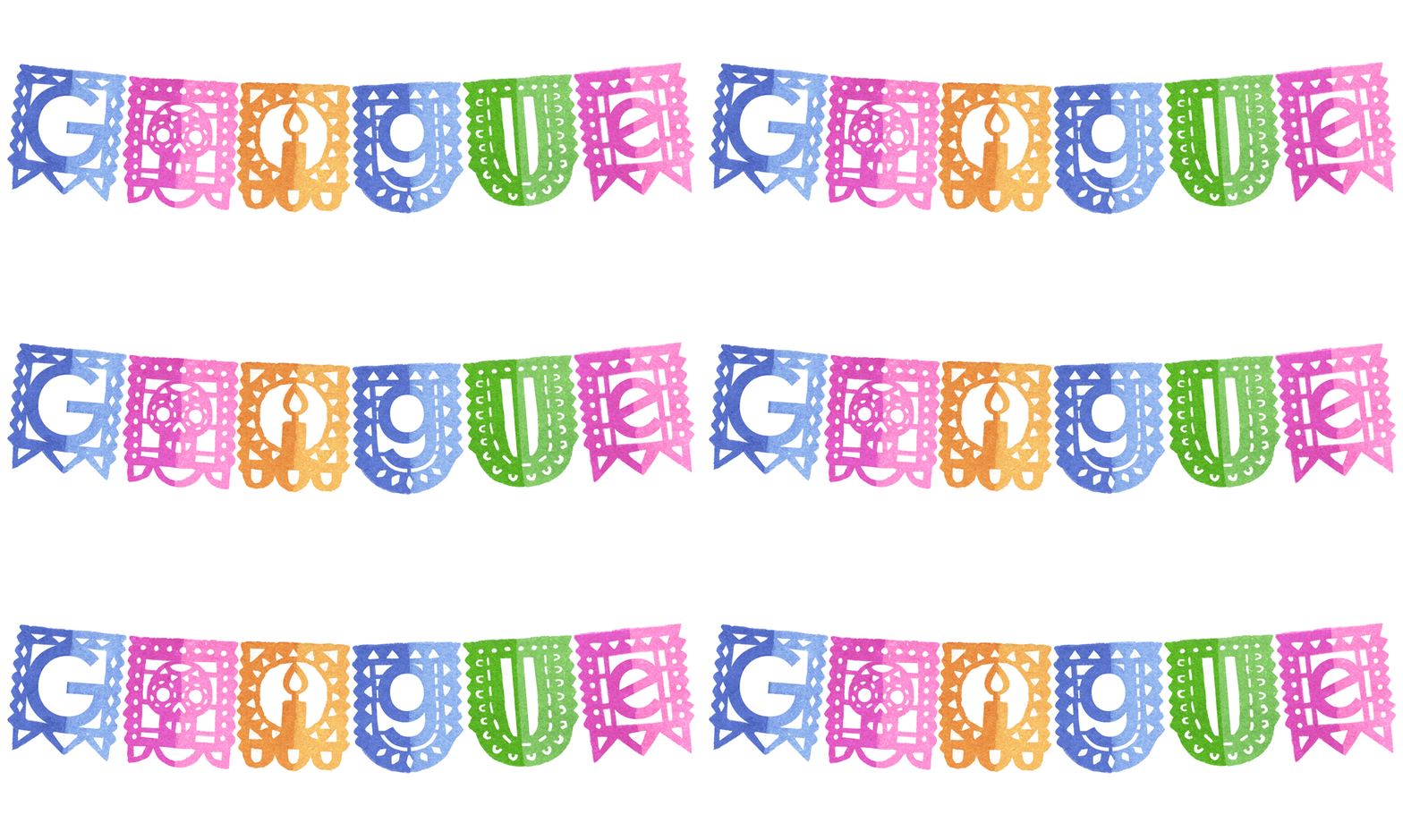
Image: Google Doodle, Day of the Dead 2026 | Original page
The Gaps Make the Pattern
Google describes papel picado as designs cut or stamped into thin colored paper and strung into banners. The pattern depends on both the paper that remains and the spaces removed. A slender connection can determine whether a sheet unfolds intact.
For the Day of the Dead, families arrange offerings, flowers, and decorations to remember relatives who have died. UNESCO describes the celebration as welcoming their brief return, in late October and early November, around the end of the annual maize-growing cycle. The tradition entered its Representative List of the Intangible Cultural Heritage of Humanity in 2008.
Petals and candles mark routes between homes, altars, and cemeteries. Skull imagery belongs to this context of remembrance; treating it as an extension of Halloween would miss that connection.
Real wings also arrive in Mexico around this season. The US Fish and Wildlife Service describes eastern monarch butterflies traveling up to 3,000 miles, about 4,800 kilometers, to overwinter in Mexico's mountain oyamel fir forests. Their early-November arrival coincides with the celebration, and many people see returning butterflies as a symbol of loved ones' souls. This is a seasonal association, not a claim that every butterfly arrives on the same day after an identical journey.
Read the Community Name First

Image: Google Doodle, Celebrating NAHM 2026; objects from the Smithsonian's National Museum of the American Indian | Original page
The second Doodle marks Native American Heritage Month. Its two circular ornaments draw the eye from a tiny bead to rings of color and pattern.
Google identifies the pieces as Plains Apache (Naisha/Kiowa Apache) garment ornaments, dated approximately 1890-1909 and made from hide and glass beads. They belong to the Smithsonian's National Museum of the American Indian.
The page separately lists a Coushatta sash and a Kickapoo hair ornament featured on Google's social media. The sash, dated around 1875, uses wool cloth, glass beads, and silk ribbon. The hair ornament, dated around 1900, includes cotton cloth, silk ribbon, glass beads, and mother-of-pearl buttons. They are distinct objects from distinct communities, not all items visible in the Doodle. Native American beadwork cannot be reduced to one interchangeable style.
Google also connects these traditions to contemporary artists working in jewelry, sculpture, clothing, and mixed media. Their story continues beyond museum cases.
Try folding a thin sheet of paper, making a few small cuts, and opening it to see how empty space changes a pattern. With beadwork, begin by reading the community name, then the date and materials. The museum's collections portal offers a way to follow a small object into a much more specific world.