
Welcome back, and thank you for reading Part One. If you have not done so, you can find it here.
For those who have made it through the first part (which feels like long ago!), I will offer a refresher: we looked at womanhood and tried to take it a step further as to its evolution, including the role of biological rites and initiations and what that means going into the next era. Where one may be psychologically cracked open — revealing all the unprocessed contents within. How we deal and work with that will be what makes or breaks us. Specifically, I am focused on the mature woman, who may continue on her life path without children, where there may be a calling elsewhere. If maturity and evolution take place beyond the body, then we are entering the realm of psychology, to which we are beholden to the mysteries that take place within the unconscious.
It is more or less consciously understood by childless women that birthing creatively may be the only avenue available to them in lieu of a biological pregnancy/birth. Deep down, they feel they must work extra hard to procure or offer something of value, for their life, legacy or to the world, in order to mark their place within it; so the symbolic birth is adopted. What has hitherto been a quiet whisper even in self-help/growth circles is this resounding problem: we neglect the unconscious and the wisdom it offers. The unconscious is a wellspring of creativity, genius and passion; it is an enigmatic living relationship, unique to the individual, for deeper self-knowledge and life guidance, something that can literally only be found within you.
“Reality consists of an enormous number of unique beings, and dreams help us to find the unique pattern of our life.” (The Way of the Dream: Conversations on Jungian Dream Interpretation, Marie-Louise Von Franz and Fraser Boa, pg. 212)
Birthing a real child or the process of becoming mother (matrescence) is unquestionably an impactful biological initiation. However, we would do well to acknowledge the psychological initiatory potential at the behest of the unconscious; this is where we may access foundational non-linear images, where the authentic self is seated. To clarify, Matrescence in Aquarius is the role of becoming mother to the new self or child in the unconscious. This goes beyond the material birthing of projects, businesses, authorship, etc. Though these endeavours may be an important piece of the puzzle in developing the personality, they can also contribute to the skills later needed for your true calling in this world.
This evolution of womanhood that we look towards would ideally be holistically astute (body, mind, spirit, soul) and working towards individuation. This means she would be psychologically mothering and birthing the divine child within one's own soul or psyche, and in so doing, taking a step forward for all human consciousness — yes, it’s that immense! Most importantly, she would also have one foot in the unconscious as guidance, or what is called “The Goddess or life force in matter” from Dancing in the Flames (Dickinson, Woodman).
At the end of Part One, I selected women whom I will discuss now in Part Two. I've placed them in the following categories:
- Mother-ship has sailed: Coralie Fargeat (director, The Substance), Anna Bey (influencer).
- The struggling mothers: Anna Harwicz (author, Die My Love, film of the same name directed by Lynne Ramsay, 2025), Mary Bronstein (director, If I Had Legs I’d Kick You).
- Tortured heart without child: Frida Kahlo (artist)
The focus of this article will be Coralie Fargeat.
These women have revealed a great portion of their inner lives or have relayed a lot of their personal lives on the public stage, for better or worse. Their life and/or works offer insight into the varied profiles, or walks of life and represent significant nodes in the culture.
Unknowingly, this capacity for creation opens an avenue for the unconscious to weave a cohesive thread throughout the draft pages, which may complete a work for the author and even transcend it into a surreal, timeless masterpiece. Either way, the potential for revelation is ripe for discovery for the individual willing to review the work. Most art is not a conscious creation and we barely scratch the surface of the depth of meaning it offers, since what is usually gained by the author/artist (besides success), as well as by the audience, is a form of therapy or catharsis. We rarely go beyond the literal, and it is also where the inner work stops.
Psychologically, we can view this call to action and need to create from the pain or wound as a kick-start from the self, and for a woman, that is through the active masculine principle, the animus. Lastly, we can surmise this is not fulfilled with children, since in some examples given, the pain is exacerbated and highlighted even in motherhood. Profoundly, it is not the literal mother, but the woman as a personality, and it is not the child, but the representative creation or symbol.
I hope to have made a reasonable effort by being neither for nor against a particular lifestyle, but rather, trying to focus on where or how to improve, where we may strive for self-knowledge but may falter elsewhere in the pursuit.
Given the sparse examples of such a topic, I can only loosely tie them into the core of my subject matter, and will rather use them as ways to understand or talk around the psychological journey that may take place, if we pay attention to what is calling, what is dangerous, and what is necessary for change. This creative fire that both damages and propels is something that burns within us all, yet where and how it is aimed makes all the difference to the personal inner journey and growth.
Understanding Psychological Rebirth: Coralie Fargeat, The Substance (2025)
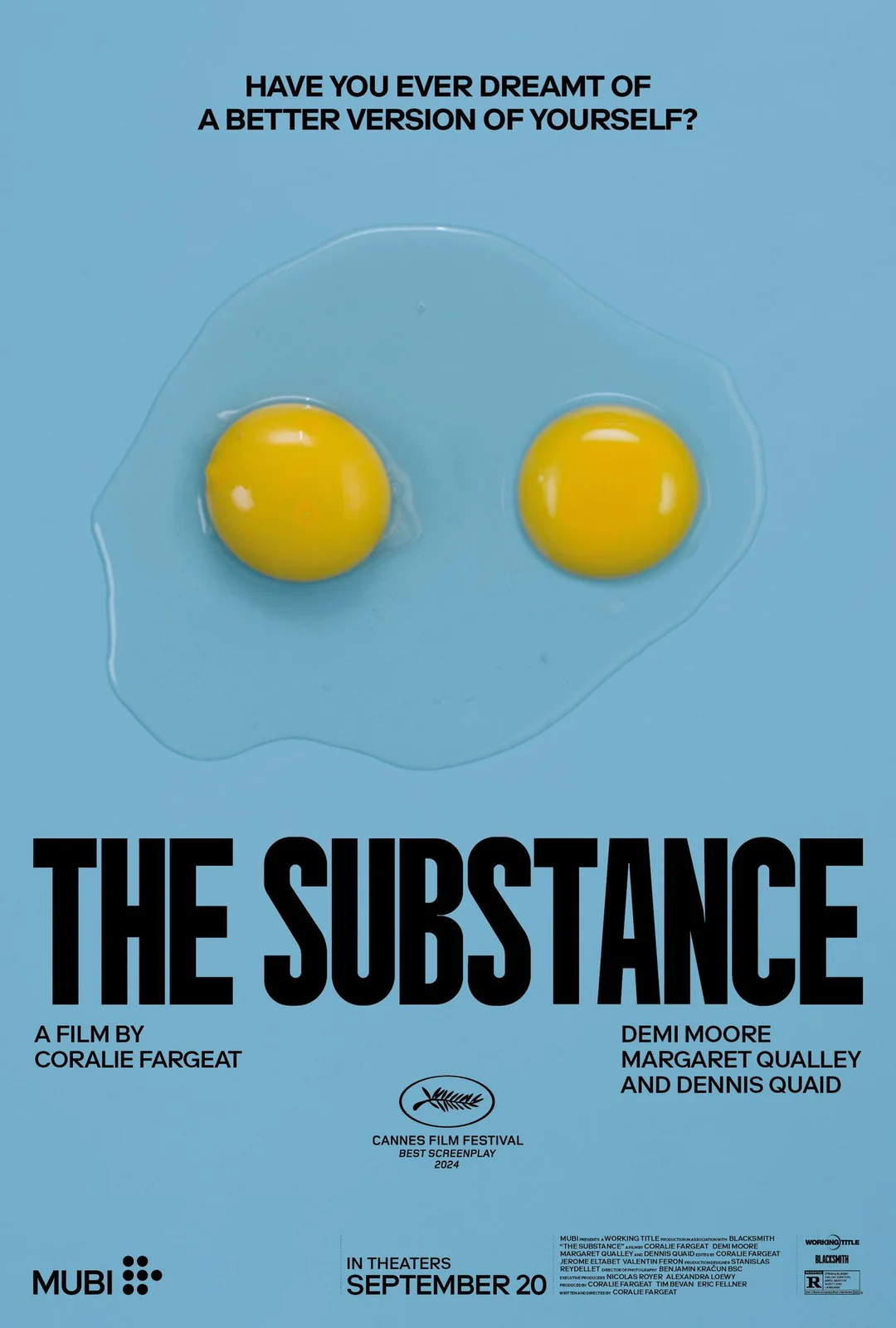
Film Synopsis: We follow a mature-aged childless woman, Elisabeth, a star who put her career first over relationship and family. Alone and recently fired, she takes a black market drug to create a separate, younger body. Chaos ensues as she progressively rejects and alienates her original life and body in favour of the new, however fleeting, false life.
So, back to The Substance again, really? Why is this film so important!?
Fargeat’s film is a landmark contribution to the female psychological landscape, and it helps map the complexity of a field that is otherwise short on examples.
The Substance may be the only modern example depicting a woman who is birthing her old and new self into the world. Fargeat has uniquely presented a psychological possibility on film; she has presented what it looks like when a woman faces the greater personality within. In Jungian terms, that is the encounter with the self, the centre of the personality in the unconscious.
Popularised within the field of depth psychology, the main examples of such a phenomenon are from the male psyche, and most of the time they do not end well either. These are:
- Thus Spake Zarathustra, Nietzsche discovers Zarathustra (his old self) and announces the Übermensch (the new self) without consciously realising the task.
- Faust (Goethe), Faust meets Mephistopheles (his old self), but every attempt of birthing a new (divine) child fails.
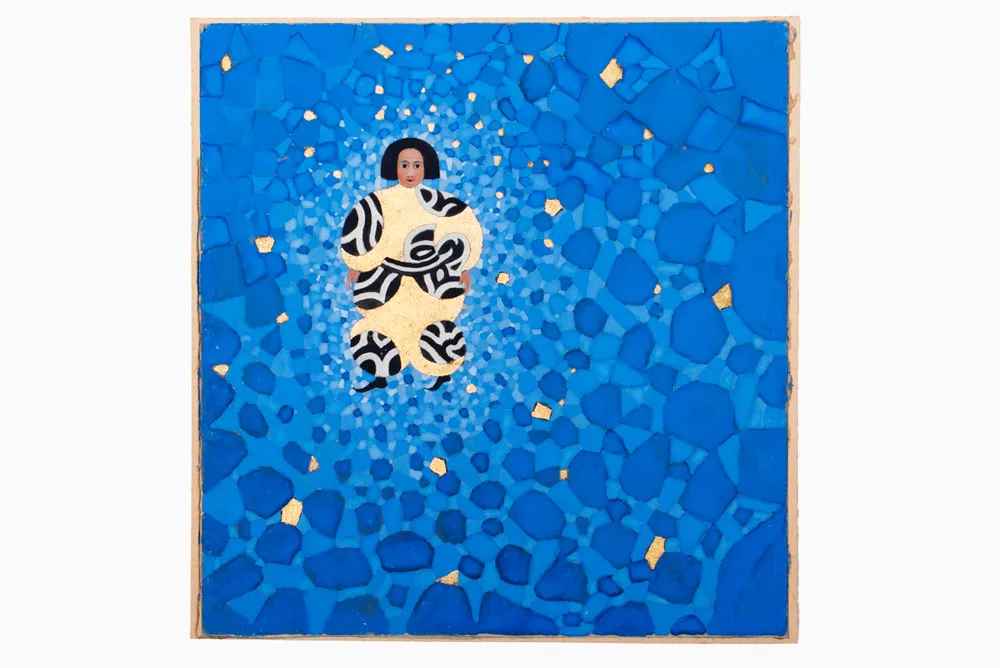
- Lastly, in Jung's The Red Book, Jung brings the giant Izdubar (one aspect of his old self) into an egg, out of which he is successfully reborn, and causally appears later as Phanes (divine child).
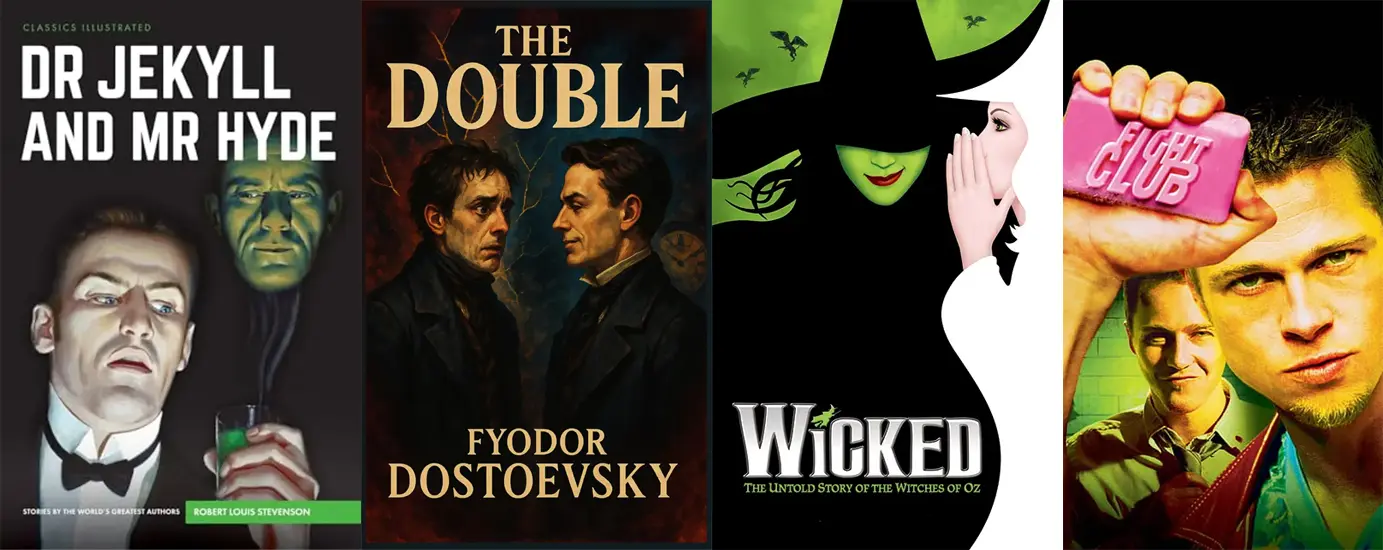
There are, of course, many shadow examples, like Dr Jekyll and Mr Hyde and The Double (Dostoevsky) or looking to modern times, Wicked’s Elphaba and Glinda, or Fight Club’s Tyler Durden and Narrator.
To illuminate the differentiation, the self is a container for the entirety of the personality, which not only means it includes the shadow, but also the contrasexual principles as anima/animus. This ultimately makes a dangerous composition if the self is darkened by the unacknowledged or suppressed contents of the personality (shadow/negative anima/us). Further, as shown with Jung's personal account, if one is successful, the death of the old self constitutes a rebirth of the new self, which archetypally is revealed as the divine child.
To be born-again
In The Substance, the ego of Elizabeth births her greater personality as Sue through the drug; with it comes a rejuvenation and vitality for life, and if used correctly, could progress the personality through conflict and experience. However, in this case, it was undifferentiated from her shadow aspect; in effect, she regresses and fails her initiation. The newfound potential with this new lease on life devolves into poor choices, superficiality and further inauthenticity, caught in a doomed cycle (ouroboros).
To add insult to injury, the child who is briefly depicted in the later scenes is mocked for imitating the princess image. If you remember what was discussed about the divine child in Part One of this article series, then you will recall that the child, among a myriad of other descriptors (and not limited to), can be seen as the future and potential of the personality. It is rooted in the past or tradition, and it is paradoxically also the forward or future aspect and in this way, it is timeless and pivotal to the psyche. Fargeat, in this remarkable scene — whether she truly understands it or not — depicts the child as more than a reflection of society, but you can read my scene breakdown here.
The big 4-0
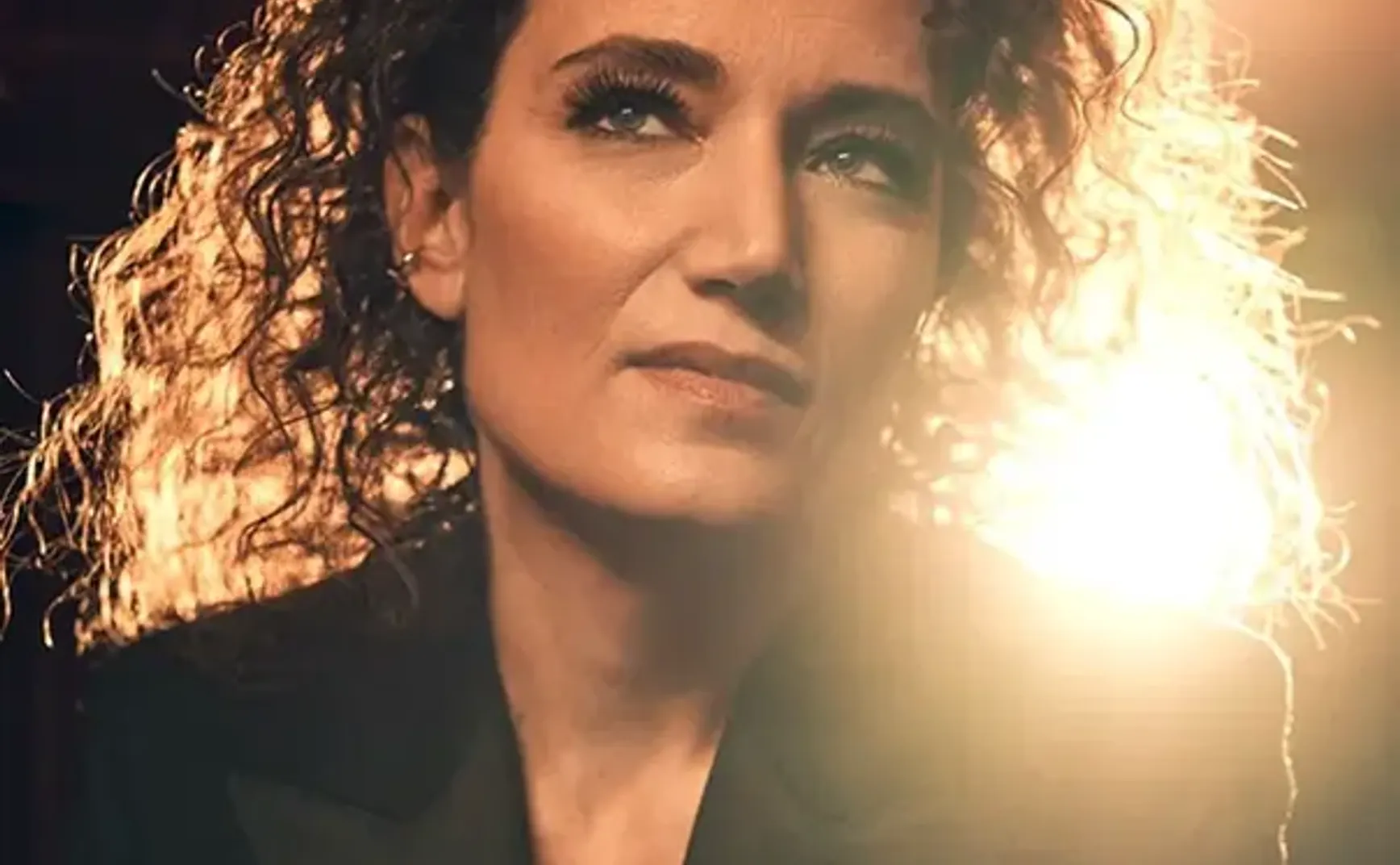
Fargeat had a drive towards creation, this was born out of a need to diminish and quiet the loud, aggressive inner voice (animus) that judged her for lack of endeavour or portfolio; that she would not have made a mark or legacy to her name and further, that she was ageing out and would be disposable, overlooked and valueless.
“I turned 40 and was more impacted than ever about what it’s like to be a woman, the feeling that if I wasn’t young and pretty and sexy, I would be totally erased from the surface of the earth. So there was this kind of emergency, this vitality to the things I speak about in my film. But I address it in this form I love, which is through pure entertaining genre.” (A Rabbit's Foot Interview)
The animus within a woman can be in its negative form, harmful to the psyche; one can view it as what is touted as a woman's internal misogyny. In order to stave it off, the animus needs something to do. Creating from the unconscious, the wellspring or inner world, is one way to do it, since the animus is expert in action and doing; that is its purpose and gift. We just need to learn to recognise there are aspects within us that need an outlet, and also aspects that need to be conversed/dealt with appropriately.
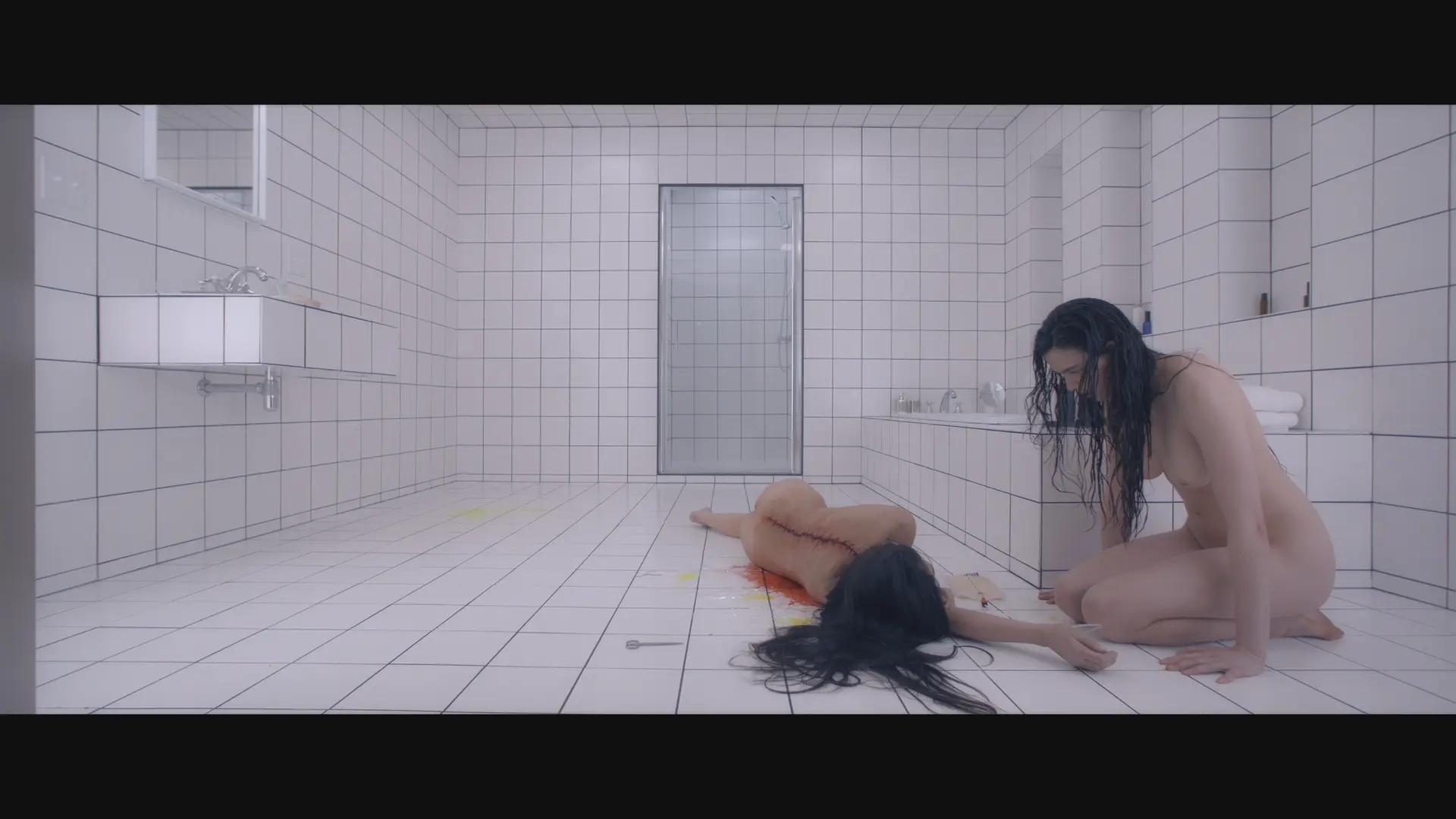
The seminal moment in the film is the first scene written by Coralie Fargeat; which just so happens to be the "birth scene" in the bathroom that sparked it all. The daydream fantasy that a ‘better version’ could be born also manifested into a script. Sue emerges from the back of Elisabeth, now separated from each other, they become consciously aware that the 'other' exists.
My thoughts
If we take a step back, the film for Fargeat should satisfy the self-criticism as described above, especially now with a highly visible and successful film under her belt. Given her previous featurette, Revenge, whose plot hints at a theme of increased power and inflation, then it is not out of order to predict that, if she is given creative licence for her next film, then we may see the same tendency towards inflation again — more on this later.
Psychologically, what Fargeat is evidently depicting in The Substance is the encounter with the (old) self, or the greater personality.
Fargeat, a childless woman herself, was forced to reveal and face the conscious vulnerabilities within her; around ageing, child-free and the body, all of which subsequently unearthed the unconscious material with it. But, to keep with the psychological understanding, what is revealed in the character of MonstroElisaSue towards the end of the film is the amalgamated union of opposites; or archetypally, the birth of the divine child, or birth of the new self (Übermensch).
To underscore this in alchemy, it is akin to the “Great Work” or philosopher's stone, and also what the individuation process entails: the unification of opposites. These are profound and complicated transformations and revelations of the psyche's potential, and the mysteries within the unconscious. Unearthed within Fargeat's psyche is the pivotal unconscious symbol of what Matrescence in Aquarius may partially look like.
In the ideal circumstance, this birth of the new self, or divine child, would be inclusive of shadow work, which would mean to bring to light aspects of the personality that have been subdued. This could be emotions, affects or traits that have been personally judged for being undesirable, unpleasant or difficult to deal with. It is a recognition of these darker aspects as being part of one’s psychic makeup, potentially necessary or useful in quality, that may allow steps towards wholeness.
“I’m exploring the place we give to women who decide not to have children, who achieve differently, or give birth to something in a different way. I think I give birth through my art, through what I create… I’m trying to represent a desire to exist in the world in another form from being a mother. I call it the ‘birth scene’ when Sue is created. But the fact it comes from a different process than a natural birth is important to me.” (ibid.)
While this is an exceptionally topical statement, and a lived experience by women creators who have forgone the traditional biological initiation to motherhood, and one I’m obviously keenly interested in too, although not in the same way. What I am trying to stress throughout the article is that the creation of a work doesn’t just stop at the art or aesthetic level; individuation is a process, and the symbols need to be associated with, in order to reveal an inner truth, essentially to turn the mirror on oneself.
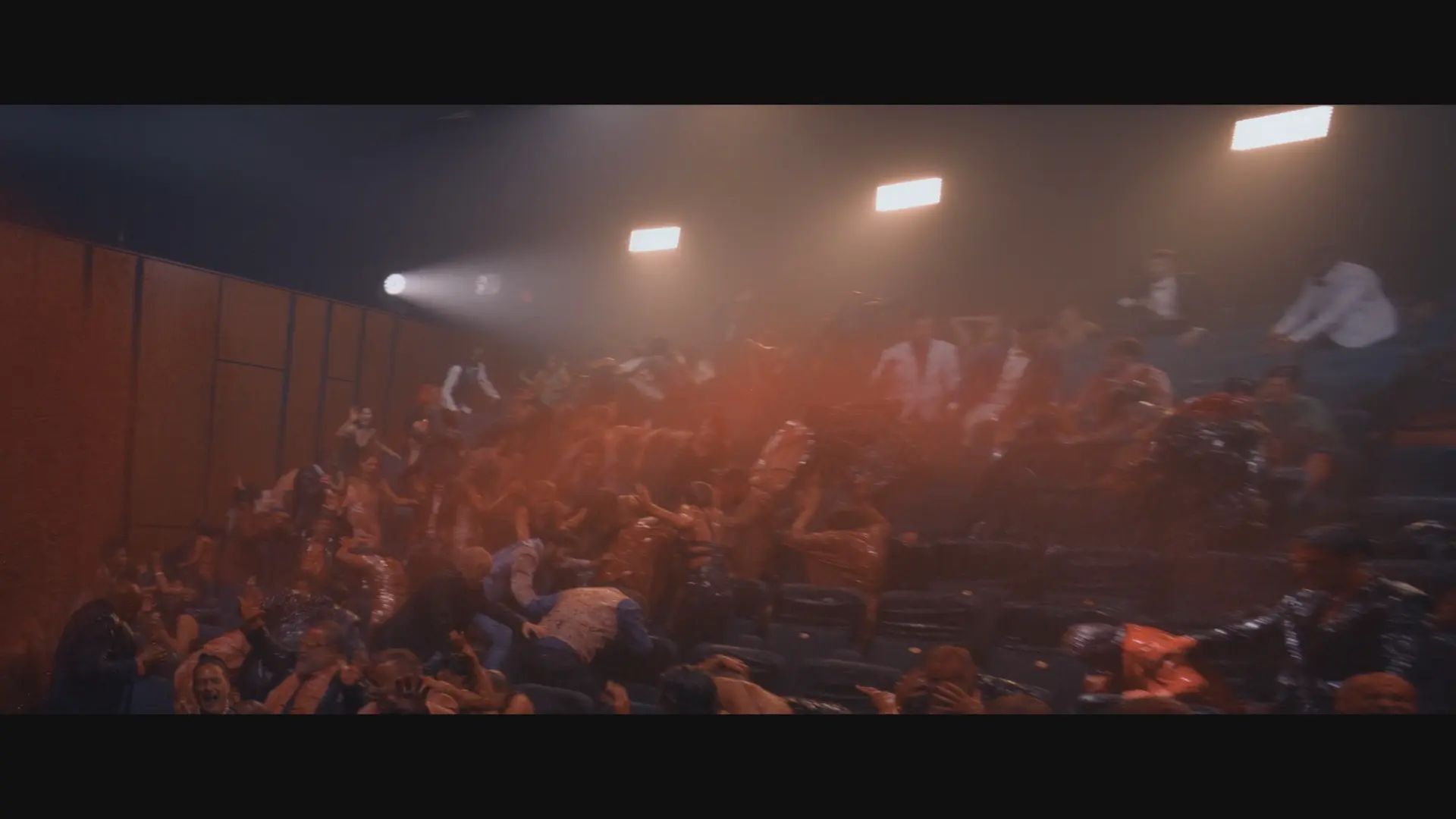
In The Substance's "New Year Show", which was a cumulative, violent and bloody crescendo on stage; Fargeat states in interviews that it is the pent-up violence she has felt her whole life, about her body and public image. This shedding or defilement on film relays as an expression of pain onto an unsuspecting crowd; symbolically meant to generalise the people or institutions involved in the long-standing systemic abuse and corruption within Hollywood, the arbiters and implementers of beauty standards, ageism and the like.
What is also true is that this scene is transgressive, and despite the irony of the medium, it seems none of that really matters when push comes to shove. Since following the film's success, she is now a member of the elite Academy, part of the very institution the criticism may very well be waged at. If this film was truly a stab at society, then one would not aim or accept to partake in the institution that continues to fester unrestrained. So I can only conclude that this is hypocrisy, cognitive dissonance, or a capitulation for the greater desire, which is the described power drive unveiled within the film through Sue, as the Faustian spirit and ergo, within the unconscious.
End of the road
To finish up with the film, after the complete neglect of the ego and the demise of Elisabeth, the final amalgamation MonstroElisaSue — as the Übermensch, new self or divine child — is an unholy mixture of opposites, but a monstrosity to behold, which is why it cannot exist as it is, and why it must be killed. One can consider the alchemical Rebis figure as a positive harmonious depiction of the same concept.
Ideally, one must use the art and its symbols to reflect on one’s personal depth, that is, where we may find both positive and negative aspects of ourselves. The Substance finally ends with a Medusa-like face splat, another unconscious image from the film, but one that provokes the sense that we need a mirror or shield to inquire tentatively, intelligently and curiously into one’s darker than dark shadows. Alternatively, Fargeat sees the puddled head of Elisabeth on the pavement as a liberation of the body, freedom in death from imposed external values.
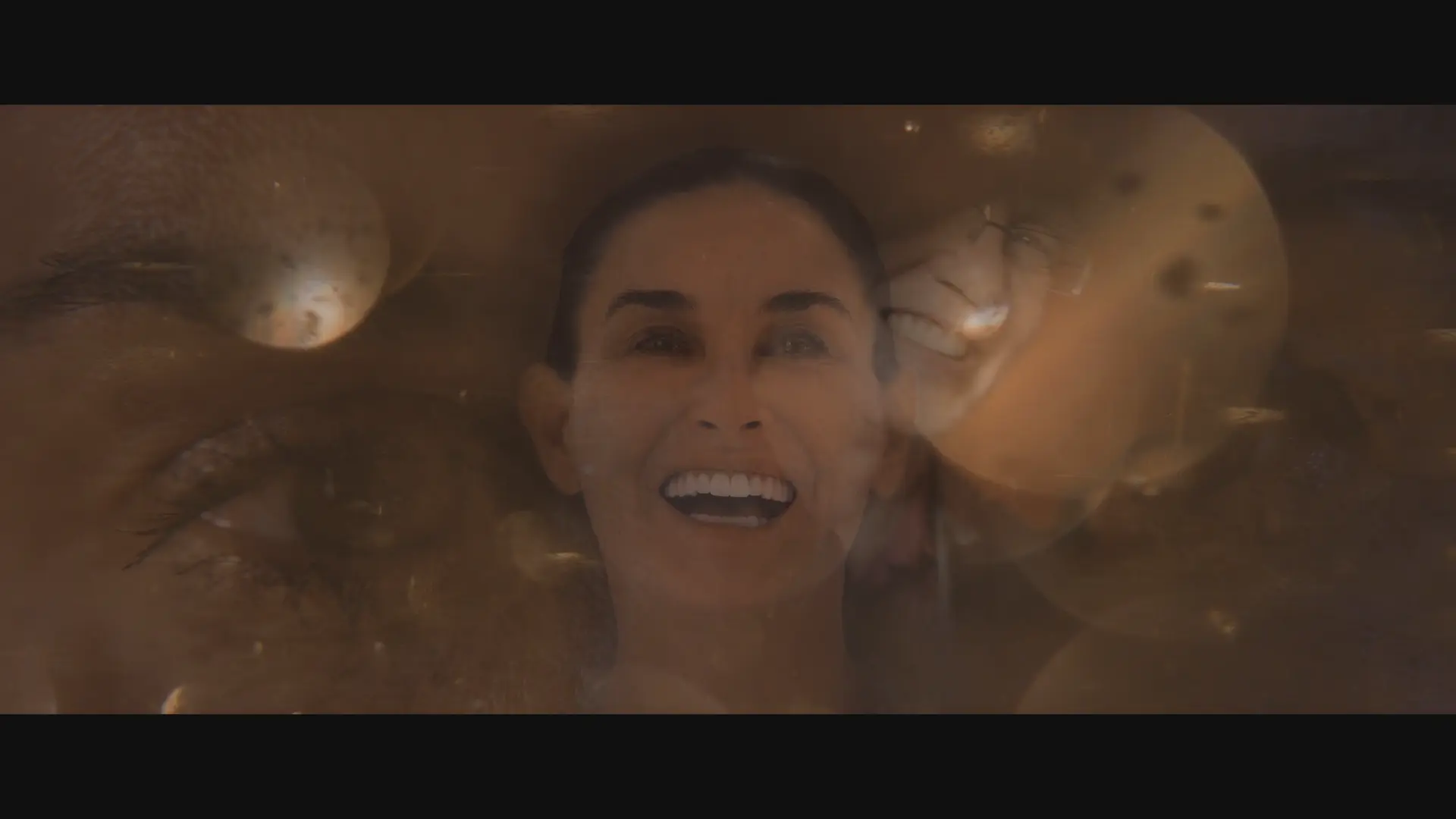
Even so, here we have in media or film possibly the best example of these psychological processes with respect to the encounter with the self, birth of the new self or divine child, all understood as varying stages of the individuation process within the unconscious.
In the absence of a living child, Coralie Fargeat did present this film as a symbolic child from her conscious ego. However, in the meta-psychological sense, we can look further, and recognise that it is a profound revelation of the destructive Faustian drive, coming from the feminine psyche; a deeply rooted intense philosophical and psychological manifestation.
Wrap-up of Part Two
Fargeat offered a new look at an old concept, and she offered it, blood and all, at a unique period of her life, and really at the depths for survival. A talented craftswoman and director, she was able to pull it off to much fanfare and accolade. The story itself should be seen as a warning, however, and not to be taken lightly. The Faustian bargain or the dance with the devil, so to speak, is one that does not bode well, and what she offers is a slice of that drive to power that seeks to invoke destruction or judgment on those who may have sought to diminish her. With such creative power, comes responsibility, just so, and even she could not end the film without her character in shambles, resigning to the fantasy and illusion, the starlight and stardom, disembodied.
Such a dream or aspiration costs deeply, and it costs at the personal level one’s whole life. The self cannot be reborn, and is doomed to repeat a vicious dark cycle of never being connected with, never individuating out of the collective fervour, desires or projections of the population.
If you enjoyed this article or have found it useful, consider sharing, commenting or even donating. Many thanks!

P.S
Keep tuned for the next installment and apologies for the wait time, I have decided to seperate the next analysis for access and readability - which will be Mary Bronstein's If I Had Legs I’d Kick You (2025).