Success is the progressive realization of a worthy goal or ideal. — Earl Nightingale
成功是一个有价值的目标或理想的逐步实现。
The Recipe for Sustained Success: 1. Clearly define and align your goals with your values and passion in order to stay motivated and focused. 2. Build identity-based systems, which include: deciding the type of person you want to be and proving it to yourself with small wins.
持续成功的秘诀:
- 清晰地定义并使你的目标与你的价值和激情保持一致,这样你才能保持动力和专注。
- 建立基于身份的系统,它们包括:决定你想成为什么样的人,以及用每天的小胜利来证明给自己看。
Goals&Systems (目标和系统)
What’s the difference between goals and systems?
● If you’re a coach, your goal is to win a championship. Your system is what your team does at practice each day.
● If you’re a writer, your goal is to write a book. Your system is the writing schedule that you follow each week.
● If you’re a runner, your goal is to run a marathon. Your system is your training schedule for the month.
● If you’re an entrepreneur, your goal is to build a million-dollar business. Your system is your sales and marketing process. — James Clear
设定目标的实现,需要系统来支持。目标是指南针,和我们的人生意义以及自我实现有关。而帮助我们完成每天的任务,让我们获得想要的结果的关键因素并不是我们通常认为的目标,而是确保我们一天天坚持行动的系统。
Goals are about the results you want to achieve. Systems are about the processes that lead to those results.
You do not rise to the level of your goals. You fall to the level of your systems. James Clear
系统包括一些自动化(autopilot)的行为比如习惯(habits),以及一些需要我们做出有意识的努力的项目。
system = autopilot+projects (deliberate practice)
Goals & Control (目标与控制)
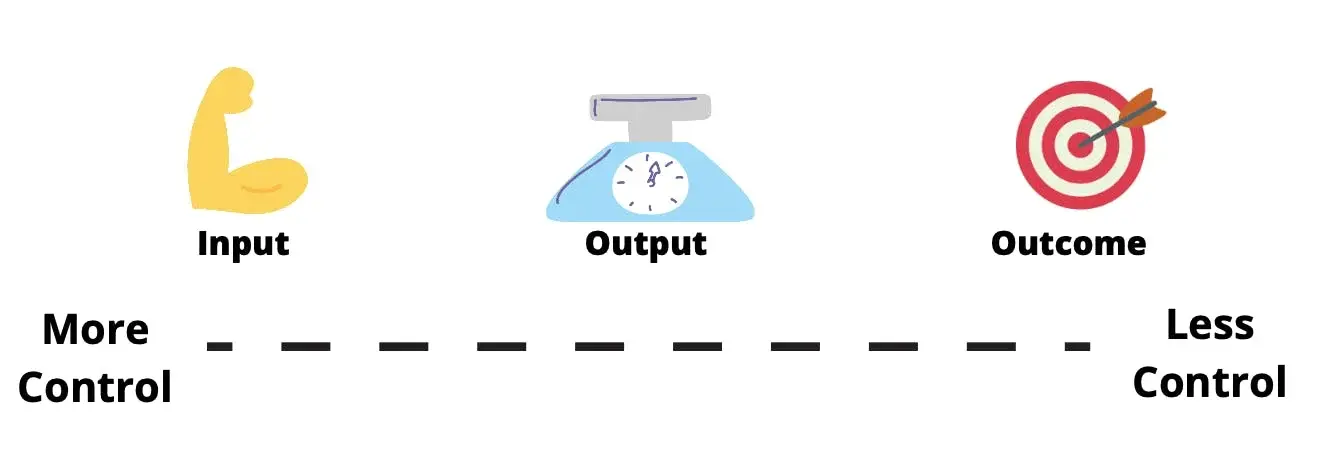
Establish a goal and adhere to a system, begin with the least control so that you can validate your progress through small victories.
第一类是input goals:比如每天的学习时间,写作时间或者运动时间。这一类是最简单的任务,也是我们最容易控制的一类任务。这个往往适用于我们刚刚开始某个项目,给我们带来每天的成就感,让我们有动力继续坚持。
而之后,我们可以把每天的任务的难度增加,改成每天背多少个单词,或者每天写几篇文章,我们可以控制的少一些,因为我们也不知道需要花多少时间和努力才能记住这几个单词。这个我称之为output goals。
最后一个任务是结果型任务outcome goals,拿学习英语来说,比如雅思8分,通过某个考试等等。
如果我们在进行一个任务的开始就选择outcome goals,那么我们很容易因为觉得太过困难而放弃。
Identity-based systems (基于身份的系统)
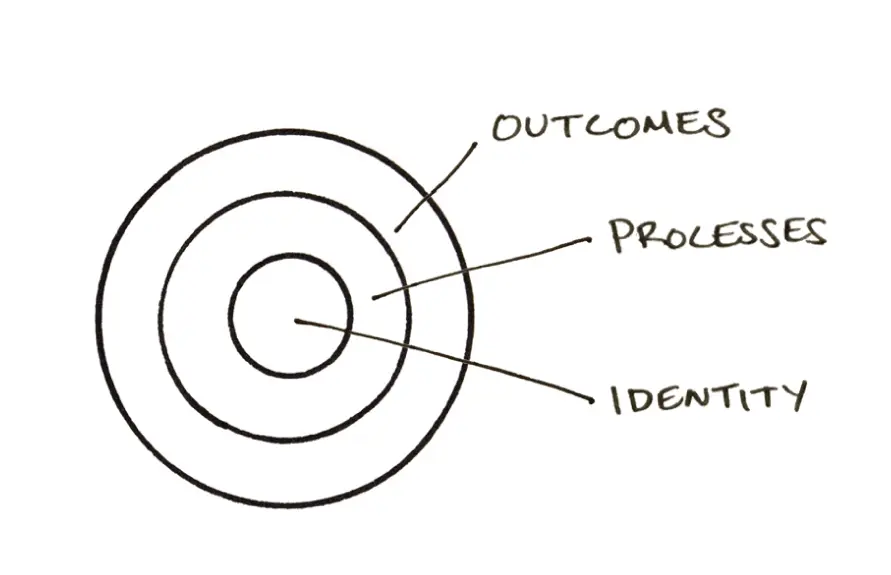
行为是跟随身份的。我们当前的行为只是我们当前身份的反映。我们现在所做的是我们认为自己是什么样的人(无论是有意识还是无意识)的镜像 (self-image)。
基本上,如果我们想要改变我们的行为并养成健康的习惯,我们能做的最好的事情就是假定一个新的身份,也就是说,开始像我们心目中的英雄那样行动。
要永久改变我们的行为,我们需要开始相信关于自己的新事物、建立基于身份的习惯。
habits, rituals, routines (习惯、例行公事、仪式)
A habit is a behavior that has been repeated enough times to become automatic. The ultimate purpose of habits is to solve the problems of life with as little energy and effort as possible.
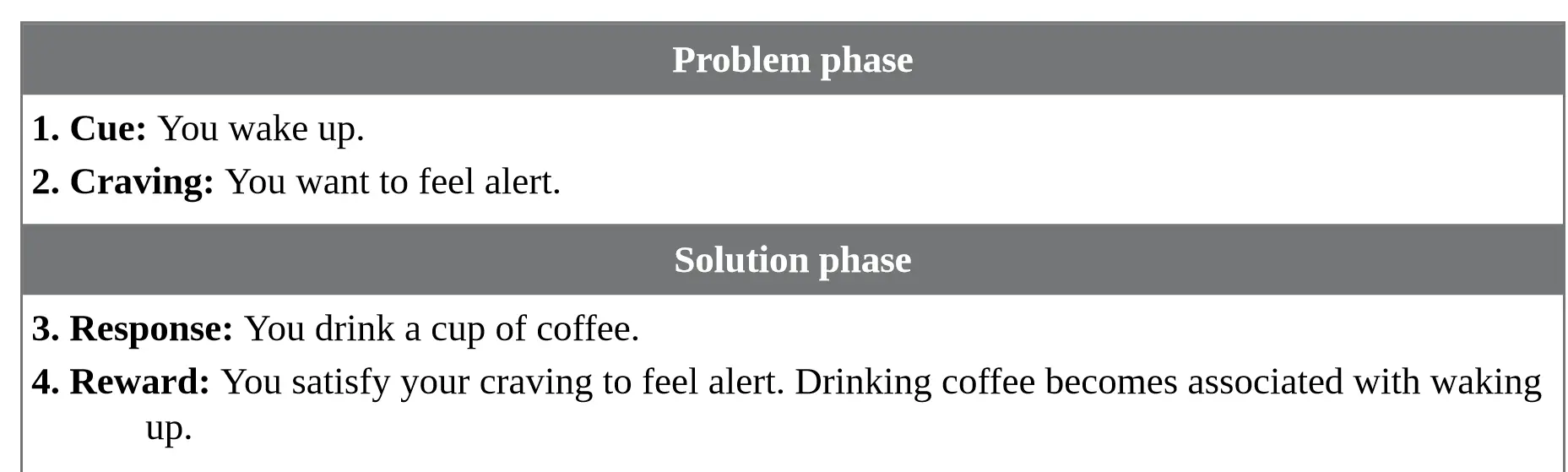
Any habit can be broken down into a feedback loop that involves four steps: cue, craving, response, and reward.
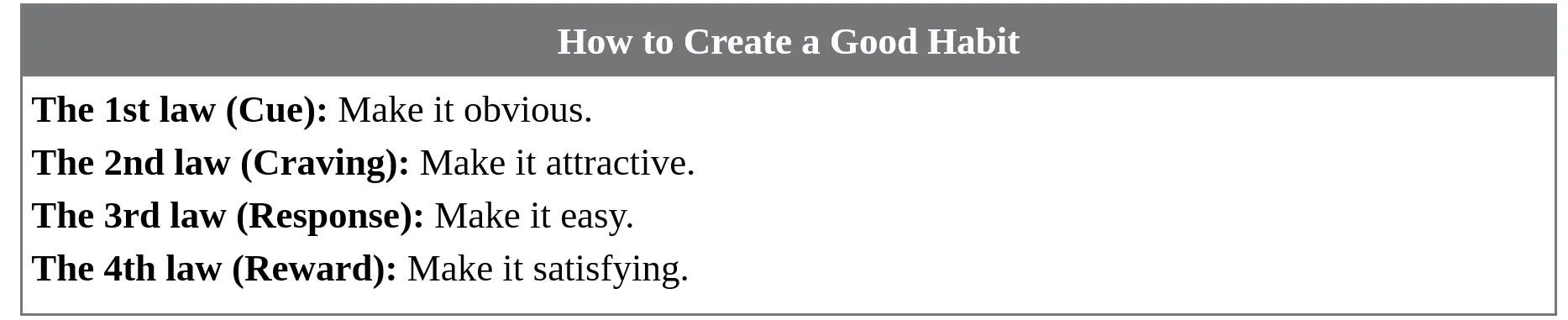
The Four Laws of Behavior Change are a simple set of rules we can use to build better habits. They are (1) make it obvious, (2) make it attractive, (3) make it easy, and (4) make it satisfying.
习惯是一种重复足够多次以变得自动化(autopilot)的行为。因此,习惯可以帮助我们以尽可能少的能量和努力解决生活的问题。
Time magnifies the margin between success and failure. It will multiply whatever you feed it. Good habits make time your ally. Bad habits make time your enemy.
James Clear
但是,大多数好习惯并不是从习惯开始的。它们从例行公事(routine)开始。
随着时间的推移,例行公事可以变成习惯,但你需要足够的重复来创建习惯循环:
- 线索。选择一个触发器来告诉你的大脑开始你想变成习惯的例行公事。
- 例行公事。执行例行公事,理想情况下从一个小的、可行的部分开始。
- 奖励。做一些愉快的事情来告诉你的大脑,这个特定的行动值得在未来再次执行。
习惯通常表现为做某事的自动冲动,通常由特定的线索触发。触发器和习惯之间的联系越强,习惯就越根深蒂固。根据2009年发表在《欧洲社会心理学杂志》上的一项研究,一个人形成新习惯需要18到254天。该研究还得出结论,平均需要66天才能使新行为变得自动化。
Habits are mental shortcuts learned from experience.
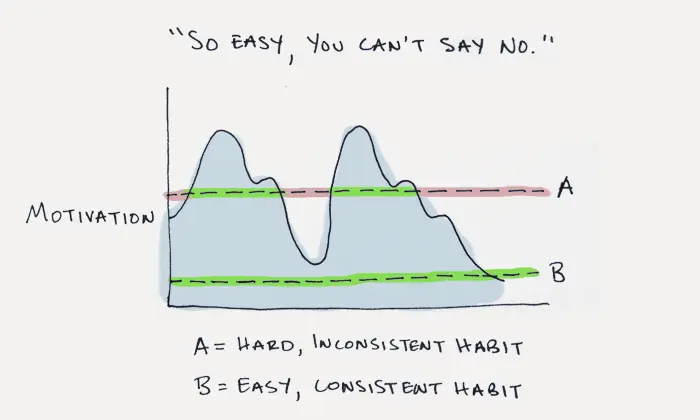
当然在建立新习惯的过程中,我认为让它可持续的关键是先从最小的习惯开始,可以对应上面说的input goals,或者拆分成更小的任务。比如,每天20分钟冥想难以坚持,那么每天5分钟。
Make it so easy you can’t say no.
—Leo Babauta
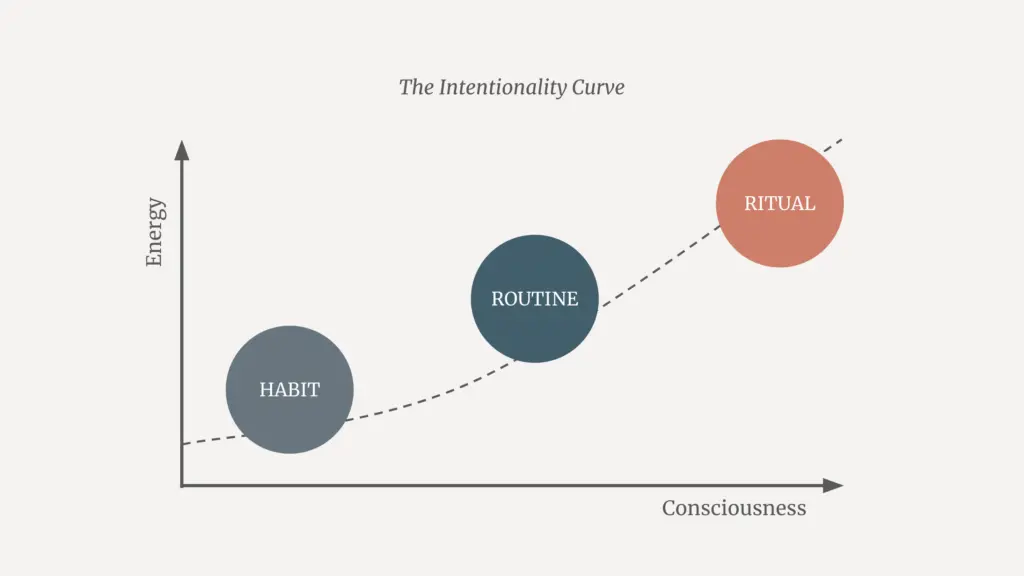
习惯和例行公事之间的主要区别在于做事时候需要注入多少意识。相比之下,例行公事需要有意识的练习(delibrate practice)。习惯和例行公事都是定期和重复的行动,但习惯发生时几乎没有思考,而例行公事则需要更高程度的意图和努力。
我的生活会以设置不同的例行公事来建立我的边界(boundary), 比如 我的health routine(包括 physical health routine, morning routine 和 night routine) 和productivity routine。
而例行公事和仪式(ritual)之间的区别在于行动背后的心态。虽然例行公事可以是只需要完成的行动——比如铺床或洗澡——但仪式被视为更有意义的实践,有真正的目的感。研究实际上显示,有意识的饮食确实可以提高你的食物的风味,使你感到更满足。比如在我的moring routine中的affirmation就是一个仪式:我需要注入更多的意识进入,体会每一个肯定语给我带来的积极情绪。
The upside of habits is that we can do things without thinking. The downside is that we stop paying attention to little errors.
因此,在我们实现自己目标的过程中,自动化的习惯并不总是最优解,往往我们需要在成为自动化的习惯和有意识的仪式之间平衡。
Habits + Deliberate Practice = Mastery
相关信息:
- 20231211 人生管理系统 https://river.zhubai.love/posts/2345890647971573760
- 20230910 重启人生(二) https://river.zhubai.love/posts/2312638602230239232
- 20231016 日常的仪式 https://river.zhubai.love/posts/2325598748342173696
- 20221212 30岁的30条人生经验(下) https://river.zhubai.love/posts/2213880526237360128
- 20231030 学习 https://river.zhubai.love/posts/2330621360927789056
往期最受欢迎的文章:
十一月: 20231114 相由心生
去年: 20221017 退休和工具
我们大多数人都讨厌周一,却喜欢咖啡。Monday Coffee是一份免费的电子报,在这里我会分享自己正在使用、阅读、喜爱和感恩的东西等,来帮助你以积极的心态开始新的一周。
Most of us hate Mondays, but love coffee. Monday Coffee is a free newsletter here to share the things I’ve been using, reading, loving, feeling grateful for, and more to help you start your week off on a positive note.
很开心能和大家在这里相遇,欢迎订阅、留言和分享~
豆瓣:何弦