
Recently, I’ve been watching Bridgerton and Hamnet, and both made me think about the power of rewriting history.
In different ways, both works ask what happens when history is told otherwise.
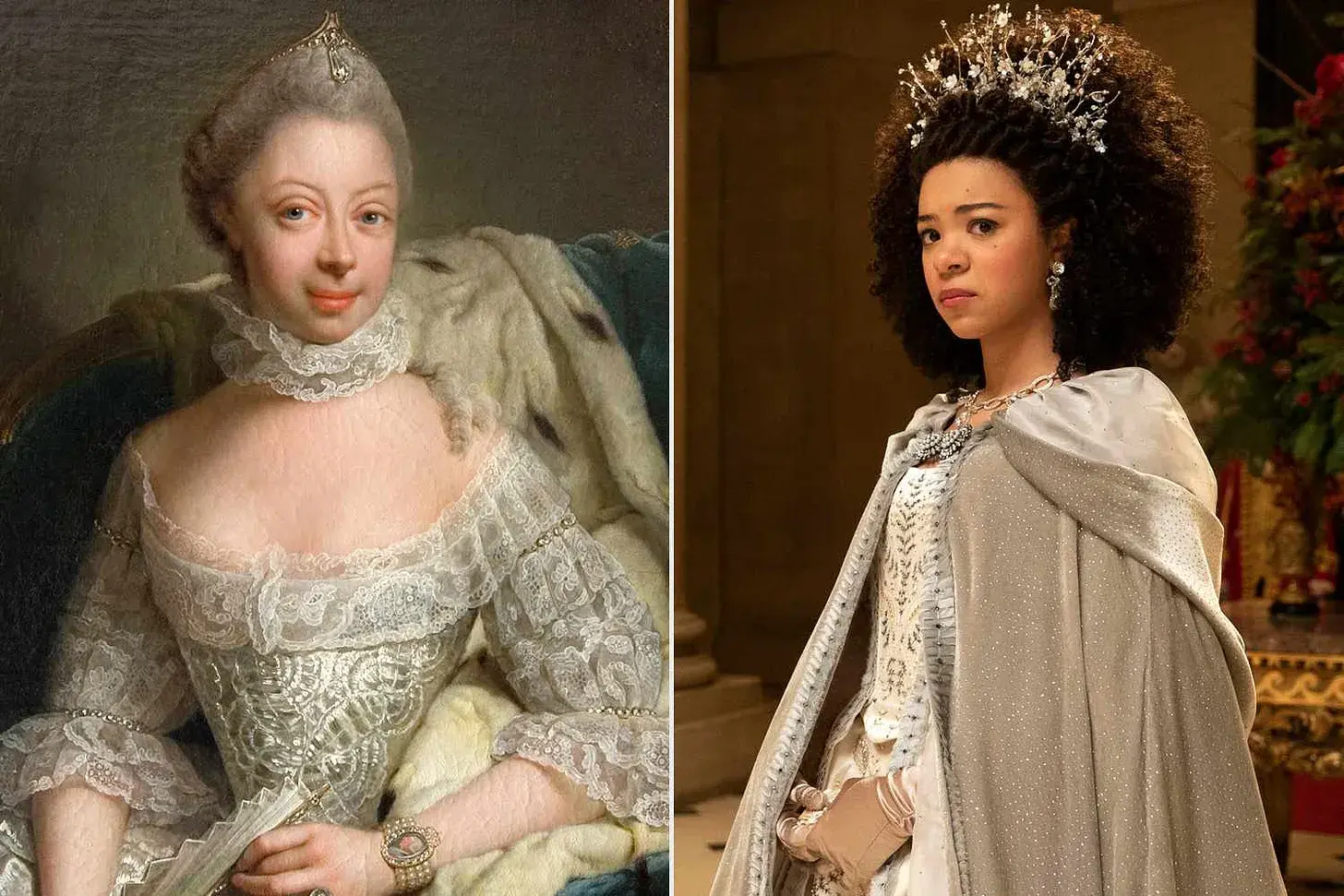
Bridgerton reimagines Regency England through a racially transformed social world. Based on Julia Quinn’s eight-novel romance series, originally published between 2000 and 2006 with an all-white cast, the Netflix adaptation, created by Shonda Rhimes’s Shondaland, made a deliberate creative choice to go further. In its version of the period, Black and Asian characters are granted aristocratic status, visibility, and desire at the center of the narrative.
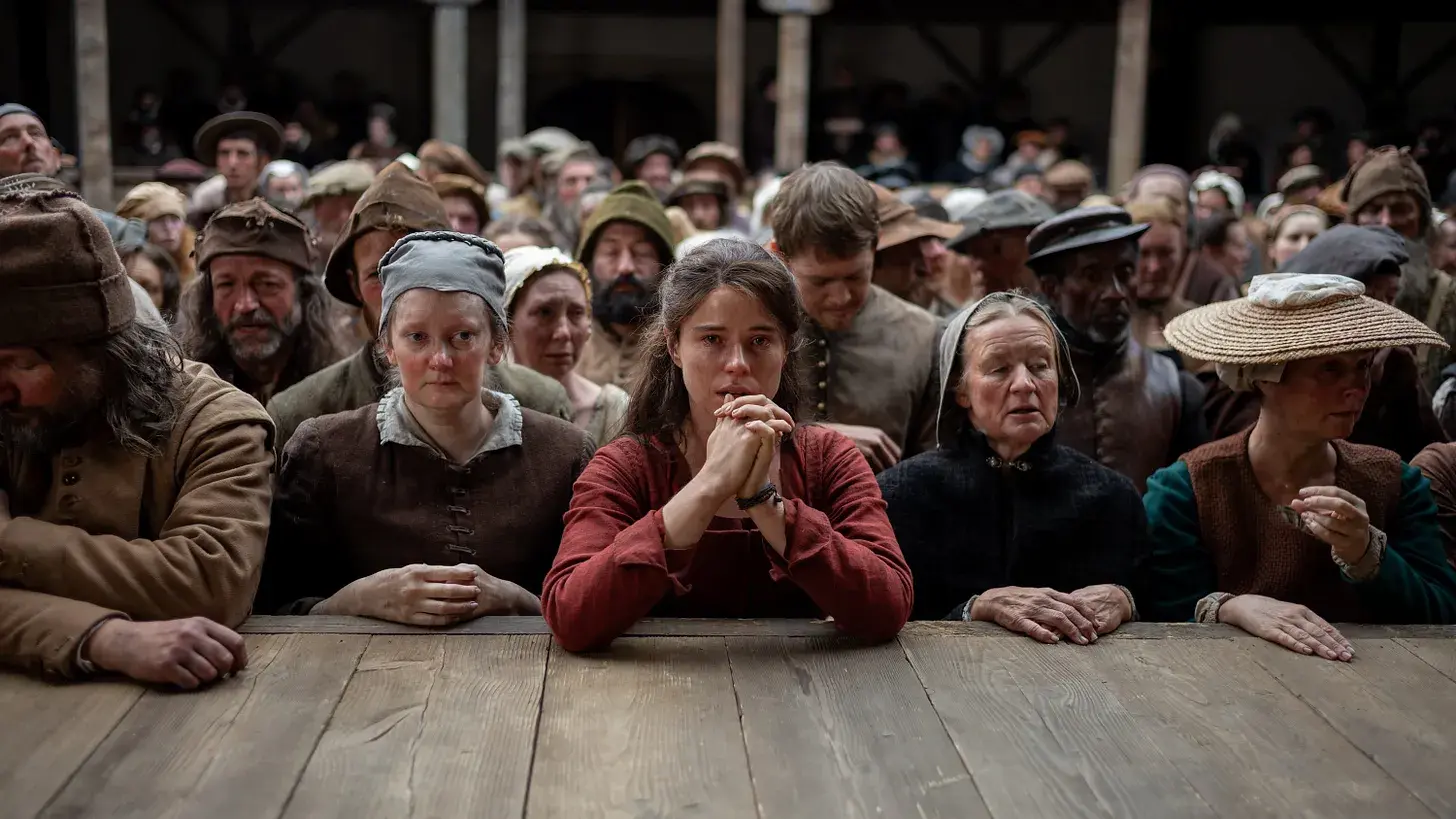
Hamnet, by contrast, does not rewrite history through altered events. Directed by Chloé Zhao and based on Maggie O’Farrell’s 2020 novel, it works through altered emphasis. Shakespeare’s son Hamnet died in 1596 at the age of eleven; a few years later, Shakespeare wrote Hamlet. In Elizabethan England, the two names were closely linked, even interchangeable. O’Farrell’s work takes that historical gap, the silence between family grief and literary immortality, and fills it with the lives of the woman and the child whom literary history has often left at the margins. Agnes, Shakespeare’s wife, long reduced in many accounts to a footnote, becomes here a healer, a mother, and a figure of extraordinary grief and force. The film does not change what happened, but changes whose experience we are asked to follow.
Both are acts of rewriting. One reimagines the world of history. The other reorients the gaze.
That, to me, is one of the most meaningful things art can do. Not simply reproduce history as it was recorded, but ask: who recorded it, who was erased from it, and what becomes possible when the story is told again from another angle?
I also wonder what happens when young people grow up watching these versions of history, absorbing them not critically but atmospherically. They learn who gets to be beautiful, central, intelligent, desired, grieved, and remembered. They learn whose lives are treated as background and whose are treated as destiny. And those images do not stay on screen. They shape imagination, and imagination quietly shapes the boundaries of a life.
This made me think of Chinese television, where the contrast feels sharp. Enormously influential palace dramas like Empresses in the Palace (《甄嬛传》) and the much-debated Ruyi’s Royal Love in the Palace (《如懿传》) are masterfully crafted. Yet for all their sophistication, they rarely use the past as an opportunity to imagine otherwise. The world they depict remains structured by concubinage, court hierarchy, emotional cruelty, and survival within patriarchy. Women are shown primarily as rivals rather than allies, their intelligence channeled almost entirely into court competition. The camera does not rewrite that history so much as reinscribe it.
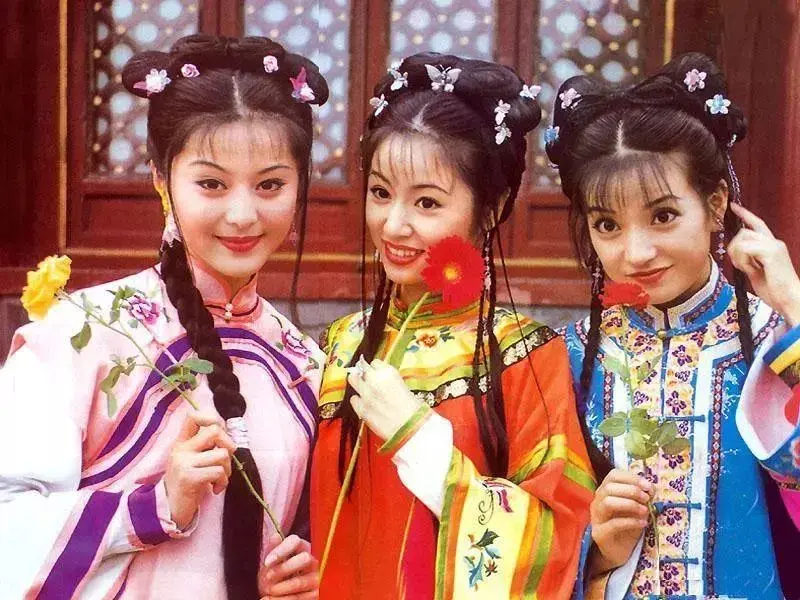
By contrast, some older dramas that were dismissed at the time as too popular, too romantic, or insufficiently serious now seem, in retrospect, more quietly subversive. Qiong Yao’s My Fair Princess (《还珠格格》) gave us a heroine with no noble bloodline, no legitimate claim, and no proper place in the system. And many early time-travel dramas, for all their narrative messiness, at least carried a liberating instinct: that history could be entered, disturbed, and told differently.
All of this brings me to a larger thought.
Perhaps what matters most is not history as fixed truth, but history as a living narrative. A story that can be revisited, questioned, and retold. And if that is true of the histories of nations and cultures, it may be equally true of the stories we carry inside ourselves.
Not just his story. Our story. And not only our collective story, but each of our own.
What we remember is rarely neutral. Memory is selective, emotional, and shaped by the stories we were taught to tell about ourselves. Since childhood, many of us have inherited narratives that we did not consciously choose. Some are openly diminishing. Others sound affirming on the surface yet quietly narrow our sense of who we are allowed to become. Over time, these narratives harden into identity, and identity begins to shape destiny.
So perhaps one of the most important acts in life is to rewrite the story. Not to deny what happened, but to refuse the meaning that was imposed on it. To revisit the past and tell a truer story, a kinder one, a more expansive one.
If we can rewrite the story of history by restoring the erased, recentering the overlooked, and imagining other possibilities, then surely we can do the same for ourselves.
The history of humanity may need rewriting so that we can change the trajectory of our societies.
And our own histories may need rewriting so that we can change the trajectory of our lives.
Because stories do not simply describe us.
Stories make us.
And when we change the story, we may begin to change fate.
Information: