You can’t connect the dots looking forward; you can only connect them looking backward. So you have to trust that the dots will somehow connect in your future. You have to trust in something — your gut, destiny, life, karma, whatever. This approach has never let me down, and it has made all the difference in my life.
Steve Jobs
这段话来自于苹果公司创始人Steve Jobs在2005年斯坦福大学毕业典礼上的演讲。我20岁左右第一次看这个演讲视频时,印象最深的其实是那句:
If today were the last day of my life, would I want to do what I am about to do today?
到了30岁,让我觉得更有共鸣的却是他在演讲中“连点成线”的概念:
你不能朝前看去把点连起来;你只能向后看去把点连起来。所以你必须相信,这些点将来会以某种方式连在一起。你必须相信某些东西——你的直觉、命运、生活、因果报应、无论什么。这种思路从没有让我失望,而且它为我的人生带来了本质的不同。
他在演讲中分享了自己在大学时期遵循自己的内心,退学并且参加了一门书法课的故事。而这些没有被计划的意外事件却对他后来设计Macintosh计算机产生了重要影响。
None of this had even a hope of any practical application in my life. But 10 years later, when we were designing the first Macintosh computer, it all came back to me. And we designed it all into the Mac. It was the first computer with beautiful typography. If I had never dropped in on that single course in college, the Mac would have never had multiple typefaces or proportionally spaced fonts. And since Windows just copied the Mac, it’s likely that no personal computer would have them. If I had never dropped out, I would have never dropped in on this calligraphy class, and personal computers might not have the wonderful typography that they do. Of course it was impossible to connect the dots looking forward when I was in college. But it was very, very clear looking backward 10 years later.
这些东西在我生活中甚至没有任何实际应用的可能性。但是10年后,当我们设计第一台Macintosh计算机时,这一切都回到了我身边。我们把它全部设计到了Mac中。这是第一台拥有漂亮排版的计算机。如果我从未在大学里参加过那门单独的课程,Mac就永远不会拥有多种字体或等比例间隔的字体;由于Windows只是复制了Mac,所以任何计算机都很可能没有这样的功能。如果我从未退学,我就永远不会参加这门书法课,个人计算机可能不会拥有它们所拥有的精美排版。当然,在我上大学时,要想向前连接这些点是不可能的。但是10年后回头看,这一切非常非常清楚。
最近听到的一个印象深刻的播客是孟岩的《无人知晓:E30 让奇迹发生》。首先是标题就让我感到很有共鸣,他在播客开头说的“人生是旷野”,每个人都应该相信自己的人生中有奇迹发生。不过从我的个人经验来说,相比“让”奇迹发生,我更喜欢“允许”奇迹发生。因为阻止奇迹发生的常常是我们自己,我们没有把自己的生命打开、留白,允许奇迹发生。
孟岩也在播客里提到两件大家往往觉得无用却是促进我们成长的重要事情:
(1)增加人生的方差 ;
(2)给自己空闲时间。
增加人生的方差就是做那些自己从来没想过去做但又感兴趣想去做的事情。包括学一个新技术,尝试一个新游戏,甚至是去一个新的地方旅行、生活。这是我们增加头脑中新的路径的好机会。这也是我们保持年轻活力的方法。在我眼中,老去和年龄无关,而是和头脑、肌肉的僵化固化有关。
而另一个是留给自己空闲或休息的时间。事实上,休息对我们来说至关重要。它能让我们保持心理的健康和稳定。并且,休息这一件看似无任何产出的活动却常常是艺术家,创作者,科学家们找到灵感的源头。
Many of our most productively creative thoughts take place when our minds are allowed to wander. There’s a reason for the old adage that “the history of innovation is the bed, the bus, and the bathtub.” Undirected mind wandering is a valuable means by which the brain explores connections between information and experiences. Innovators need to be equally rigorous about carving out time to disconnect and allow their minds to wander in order to realize the new connections the inputs they’ve collected represent. To connect, you’ve got to collect and reflect. So when you’re auditing your calendar, take a critical look at how you spend your free time. Are you filling it with mindless consumption, or are you carving out space to let your mind wander?
Jeremy Utley
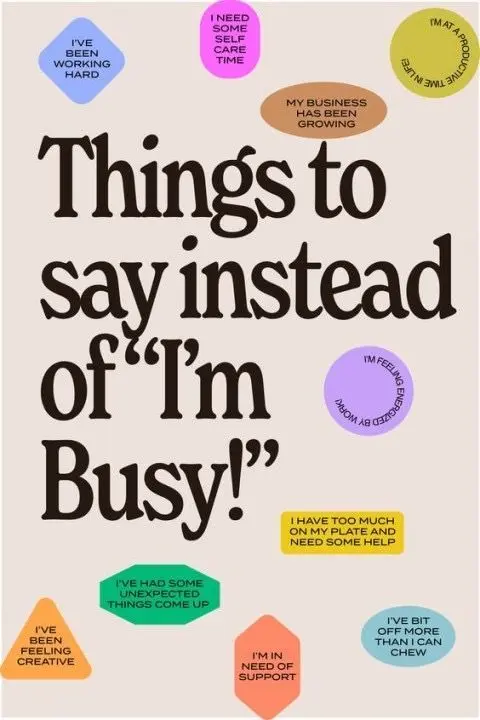
与之相反的则是日常工作生活中充斥的“忙碌”,以及我们错误地把“忙碌”和在工作中的卓有成效划等号。在上学和上班的时候,我也常常把“我很忙”挂在嘴边。
Busyness as a Proxy for Productivity
Cal Newport
而音乐人、企业家Derek Sivers却认为,“忙碌”=失控。忙碌在大部分时候是对生活中更深层次问题的一种逃避的伪装。忙碌意味着我没有学会“要事优先”,没有练习“断舍离”,没有在“有意识地”生活和做决策,没有“活在当下”,没能成功地通过冥想和休息来消除头脑的噪音。
往往觉得自己忙碌的时候,正是自己最需要休息、暂停、留白的时候。
To me, 'busy' implies that the person is out of control of their life.
Derek Sivers
上周被邀请做一个演讲,准备的过程也是自己“连点成线”的过程。我的学习、工作、人生经历,在别人看来磕磕碰碰弯弯绕绕,但是这些没有按照正常轨道的每一步都是我成为自己必不可少的脚印。
在之前的 文章 我也分享过,在学校学习的是大气科学,接受科研的训练,原本认为自己一定是待在学术界。因为疫情和朋友的邀约,来到深圳创业。同时,也和另一个朋友遵循着共同的爱好制作播客。最终,暂时离开科研界,做播客、创业。这些在当时看来意外甚至有些鲁莽的决定,是自己遵循潜意识第一直觉的决定,臣服于命运齿轮转动的机遇。
我想“连点成线”这个思维模式的第一层是让我们相信并顺应命运的指引、拥抱人生的热爱、以及追随内心的直觉,这是一种超越头脑思维逻辑的更高的智慧。它会帮助我们做出比依据理性逻辑推断更为优越的决策。
If you take over 10 seconds to make important decisions, your paradigm is making a decision.
Bob Proctor
而第二层意思是我们也需要主动回望过去。没有这个主动自省的过程,那么生命中的片断经历就只是散落在记忆海洋中的碎片。这次准备演讲就是这个将生命片段调动、使用、串连过程,之前申请本科、研究生、博士以及各类奖项时所准备的类似于个人陈述的材料也是如此。通过连接这些点,也意味着我们对我们所选择的、经历的、坚持的、耕耘的事情,和我们在生活中显化的收获心怀感激。通过连接我们的经验,意味着我们接受我们的生活,我们的好与坏,以及此刻的自己。
相关信息:
- ‘You’ve got to find what you love,’ Jobs says https://news.stanford.edu/2005/06/12/youve-got-find-love-jobs-says/
- 20230102 自我实现 https://river.zhubai.love/posts/2221532038736130048
- 20230327 春天来了,身体健康,三个原则 https://river.zhubai.love/posts/2251937221504491520
- 20220321 休息和整理 https://river.zhubai.love/posts/2117645590996340736
- E30 让奇迹发生 https://podcasts.google.com/feed/aHR0cHM6Ly93d3cueGltYWxheWEuY29tL2FsYnVtLzUyMTU2NjYwLnhtbA/episode/eG1seV90cmFja182NTUwMjY1Mjc?sa=X&ved=0CAUQkfYCahcKEwjwmMvQ8O-AAxUAAAAAHQAAAAAQLA
- What Is Neuroplasticity? https://www.verywellmind.com/what-is-brain-plasticity-2794886
- 图片: https://www.pinterest.co.uk/pin/6896205670001782/
往期最受欢迎的文章:
七月: 20230717 生活底线
去年: 20221017 退休和工具
我们大多数人都讨厌周一,却喜欢咖啡。Monday Coffee是一份免费的电子报,在这里我会分享自己正在使用、阅读、喜爱和感恩的东西等,来帮助你以积极的心态开始新的一周。
Most of us hate Mondays, but love coffee. Monday Coffee is a free newsletter here to share the things I’ve been using, reading, loving, feeling grateful for, and more to help you start your week off on a positive note.
很开心能和大家在这里相遇,欢迎订阅、留言和分享~
豆瓣:何弦