
![[Sharing] The Family Craft: "Text Editor." EmEditor Developer Hears His Son’s Determination for the First Time 【Focus】Levtech Lab](https://images.quaily.com/prrT37NMTGXPWFvcP_Eaw8Pel874wZu_ikYcSyuWgAU/rs:fill:868:536:1:0/f:webp/dpr:2/plain/https://static.quail.ink/media/2xg3gbpd77.webp)
Today (2025/09/01), EmEditor's blog published an article introducing EmEditor, which was posted on the Levtech Lab website. It begins with a perspective of tradition and legacy, portraying the development journey of EmEditor through an interview format. I used Gemini 2.5 Pro to translate it from Japanese into Chinese, and I suggest Chinese-speaking EmEditor users take a look.
Source: 家業「テキストエディタ」。EmEditor開発者は、息子の決意を初めて聞く【フォーカス】 | レバテックラボ(レバテックLAB)
September 1, 2025
Yutaka Emura (President, Emurasoft, Inc.)
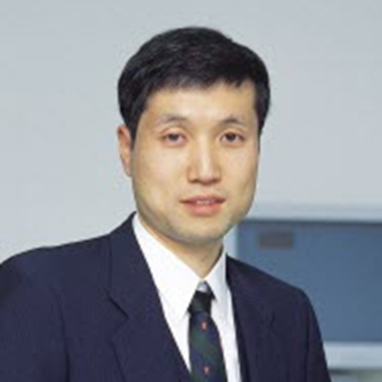
Born in Hyogo Prefecture. Completed his master's degree at the Graduate School of Engineering, University of Tsukuba. After working at Intel Japan, he developed the general-purpose communication software "EmTerm" in 1994. In August 1995, he founded M-Soft Co., Ltd. He began developing the text editor "EmEditor" in 1997. In 2000, he founded Emurasoft in Redmond, Washington, USA, and moved there in 2001.
Makoto Emura (Engineer, Emurasoft, Inc.)
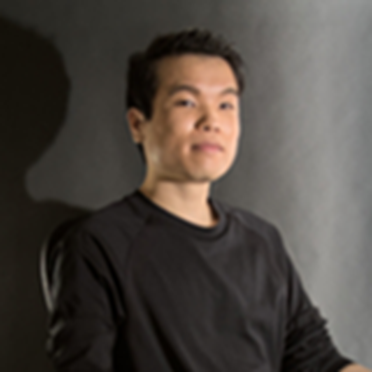
Born in Japan, he moved to the United States at the age of five. He is Yutaka's eldest son. As a teenager, he became interested in programming through playing games. In 2018, he began studying for a Bachelor's degree in Computer Engineering at Bellevue College in the U.S., while working part-time at Emurasoft. After graduating in 2022, he became a full-time employee at the company.
There is a text editor called EmEditor, which has been widely used worldwide since its release in 1997. It offers a shareware version and a free version, featuring customizable syntax highlighting, CSV editing functionality, and the ability to smoothly open large files of up to about 16TB (1.09 billion lines).
The developer, Emurasoft, Inc., is based in Redmond, Washington, USA. Yutaka Emura, who developed the software almost single-handedly for over 20 years, is the company president. A turning point came in 2018, when Makoto, his eldest son, joined the company as the second engineer. After studying computer engineering in the U.S., Makoto worked on automating development processes, implementing Git integration, and developing AI assistant features using OpenAI APIs, modernizing the editor.
Like traditional crafts or old-established restaurants, it’s not uncommon for family members to follow in the same career. However, it is probably quite rare for the father to make a living developing software, and for the son to join the development team as well.
How did Makoto start participating in the development of EmEditor? After I requested an interview out of curiosity, I received a reply from Yutaka: "Makoto almost only speaks English. If it's okay with just me for now, I plan to visit Japan next week and can accept the interview."
The technological backgrounds across generations differ. The same profession, the same software. How is the "technology inheritance" between parent and child progressing? And what will the future of EmEditor hold?
- Father's Perspective 1: Naturally Evolving Division of Labor
- Father's Perspective 2: The "Psychological Safety" Brought by the Parent-Child Relationship
- Father's Perspective 3: Not Wanting to Impose Anything
- Son's Perspective 1: Watching His Father’s Back
- Son's Perspective 2: Continuing to Make EmEditor the Best Text Editor
- Parent-Child Perspective: Warm Misunderstandings Based on Respect
Father's Perspective 1: Naturally Evolving Division of Labor
――Nice to meet you today. Speaking of EmEditor, it is a feature-rich software, especially praised for its ability to quickly open huge files. Was this something you insisted on?
Yutaka Emura: Yes, the ability to easily open large files is one of EmEditor’s key features that I have insisted on.
When I started developing EmEditor in the late 1990s, most editors on the market were either like Windows' built-in "Notepad"—quick to launch but limited in functionality—or "feature-rich but sluggish." In either case, when opening large files, it was either impossible to open them, or if they opened, they became extremely slow.
So I thought, "Since no one is developing this, I’ll create an editor that can handle large files myself," and that’s how it gradually evolved into what it is today. However, even if a file opens, if searching takes several minutes, it’s not practical for work. So, I paid a lot of attention to search performance, aiming to quickly find target strings in huge files.
Additionally, we focused on CSV file editing features. Many companies deal with millions or tens of millions of lines of CSV data, but opening them in Excel can often be difficult. Recently, we’ve been hearing more and more from these users saying, "We use EmEditor as a solution," which makes me very happy.
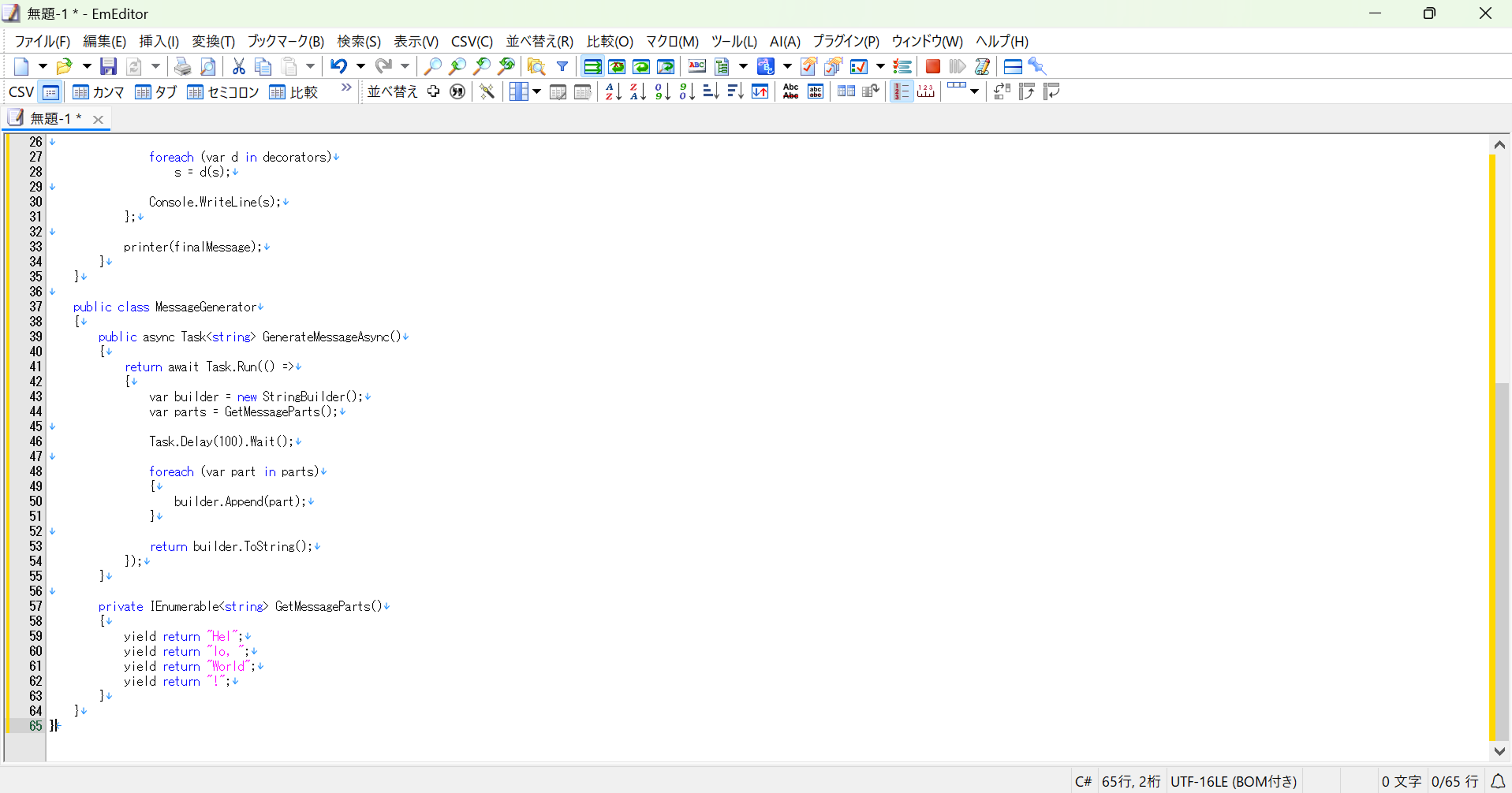
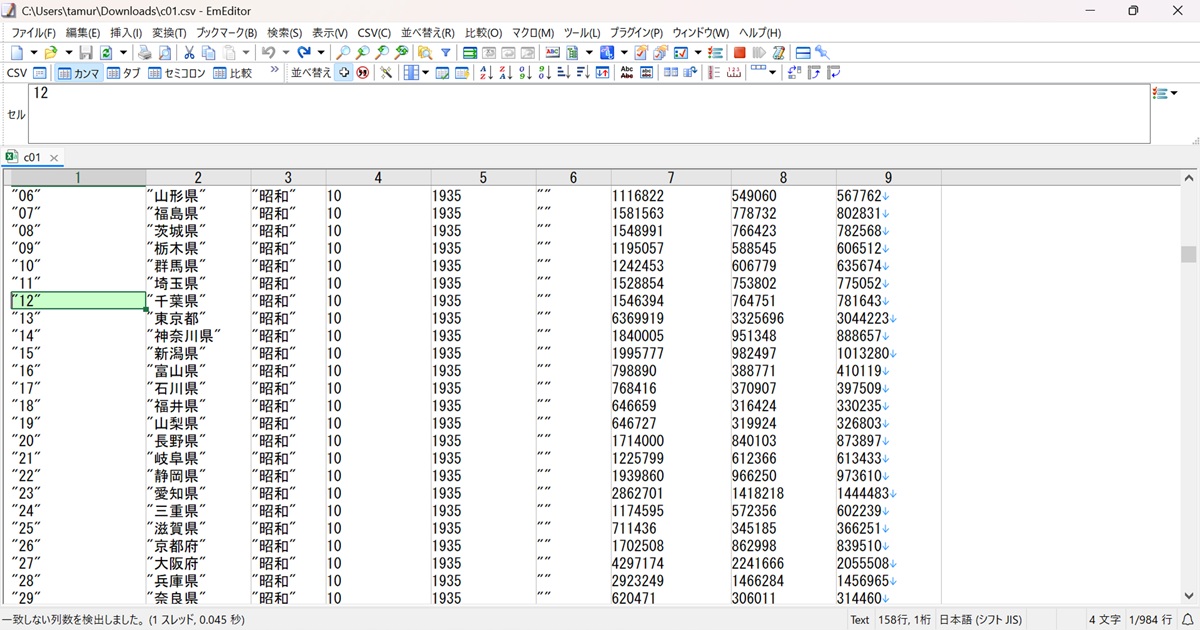
▲EmEditor operation image (CSV file from the Ministry of Internal Affairs and Communications "Population by Gender - National, Prefectures (Taisho 9 to Heisei 27)")
――Did you pass this strong insistence on performance down to your son, Makoto, who joined the development?
Yutaka Emura: I rarely explicitly tell him "this is how it should be done," but he seems to read my technical articles, so I think through the development process, it has naturally been communicated to him.
Also, even though our development philosophies may differ, I believe it doesn’t cause any major issues at present.
――What do you mean by that?
Yutaka Emura: Because Makoto and I have complementary development styles.
I’m more of the traditional language type, familiar with C and C++. I’m good at low-level performance-oriented areas, but I’m not familiar with recent trends.
In contrast, Makoto is very knowledgeable about new things. He is proficient in Java, Go, TypeScript, and modern languages, and he understands Git version management and AI-related technologies far better than I do.
As a result, our division of labor in development has naturally emerged. I’m primarily responsible for the core of the editor, which handles large file processing and searching, written in C++. Meanwhile, Makoto is primarily responsible for various peripheral aspects around the core.
For example, user-facing features like word count plugins or AI integration. Behind the scenes, he built the DevOps environment. After Makoto joined, on his suggestion, we introduced the CI/CD (Continuous Integration/Continuous Delivery) system, and this brought about significant changes.
Before that, building and testing many parts were done manually, and I often made mistakes, like getting the version number wrong or forgetting to upload the update file. Now, thanks to the pipeline Makoto built, everything from building to releasing is fully automated, leaving no room for human errors. As a result, the stability of each release has greatly improved, and I feel the software’s stability has been enhanced.
Father's Perspective 2: The "Psychological Safety" Brought by the Parent-Child Relationship
――Introducing CI/CD must have been a major decision that completely changed the development process. Did you ever hesitate to accept Makoto’s proposal right away?
Yutaka Emura: I didn’t really resist it.
To be honest, although I knew the term CI/CD, I wasn’t particularly interested at the time. I thought testing with existing macros would be enough. However, when Makoto suggested it, I thought, "Since he says so, let him give it a try." I’ve known him since he was little, and I trust that he will do a great job.
This trust, I think, is the foundation of our development style.
Also, I believe the most important thing in work is that you feel "happy" or "a sense of achievement." It’s far easier to produce good results when you notice a problem yourself and think, "I want to do this," than when someone commands you, "Do this," and you do it reluctantly.
So, since Makoto joined the development of EmEditor, I’ve hardly ever given him concrete instructions like "Do this for me." I let him do things his way, do what he’s interested in. I believe that’s the best.
――For example, regarding coding style, would you ever want to interject if his style differs from yours?
Yutaka Emura: Yes, for instance, when I see some of the C++ code he occasionally writes, from the variable naming conventions to how he uses spaces, it’s very different from my style. Honestly, sometimes I think, "It’s hard for me to read." But I wouldn’t nitpick and say "It should be written this way." For him, his style is probably the best way to write, and I don’t want to undermine his autonomy.
Of course, this approach has challenges. Neither of us writes many comments, and looking ahead, I do feel the need to organize documentation and explain what each of our codes does. We’ve considered having AI write the comments in the future, but that’s another difficult issue.
――Under this development style, has there been any conflict with your son over technical direction?
Yutaka Emura: No conflict.
He’s independent now and doesn’t live with me. We have a face-to-face meeting once a week, but rather than me teaching him something, he often points out things like "This version has become slower here."
But it’s never confrontational. Both of us are simply working toward the same goal: "We want to make EmEditor a better software" and "We want to make the company better." Because of this shared understanding, no matter how candid the opinions are, they always lead to positive discussions.
In development, it’s truly appreciated to have someone point out things that I might not notice on my own.
Such a relationship may be possible because we are parent and child, and we’re fortunate that the company is small with only a few employees (including administrative staff, three people in total).
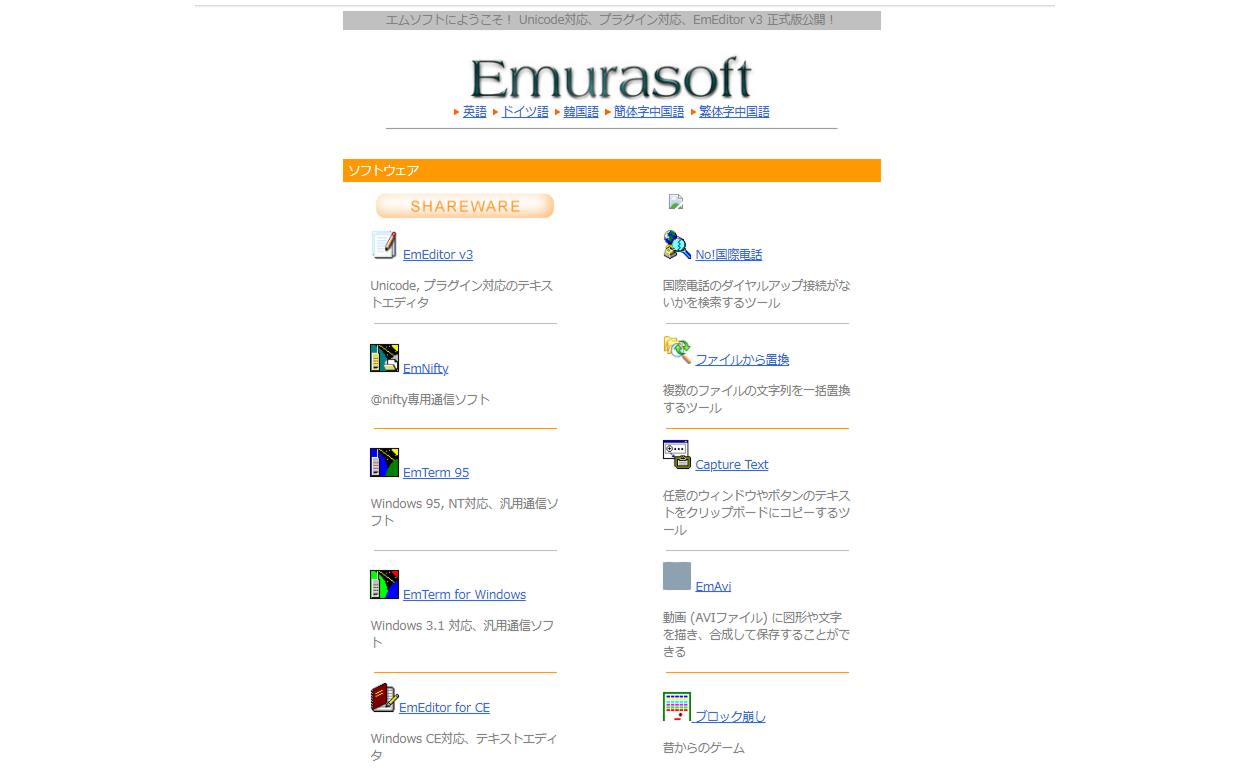
▲The official Emurasoft website in August 2002. Various software was published at that time (from the Wayback Machine).
Father's Perspective 3: Not Wanting to Impose Anything
――Makoto decided to become an engineer, did this decision stem from the fact that Yutaka taught him programming from a young age?
Yutaka Emura: No, I don’t remember systematically teaching him to become a programmer or giving him any special education. Not just programming, I never made him attend any special classes either. But I constantly told him from an early age, "You must decide for yourself what you want to do."
His interest in programming probably developed naturally. He’s always liked computers and math, and he’s a bookish person. I’m sure he taught himself by reading books and searching online. I actually often ask him for advice on new technologies.
As for EmEditor, I don’t remember ever introducing it to him, saying "I’m working on something like this." I even thought he used tools like "Notepad++" to write code when he was younger.
(※1)Notepad++: An open-source text editor developed for Windows, known for its quick operation and extensibility through plugins.
――So, regarding Makoto’s journey so far, can you talk about it from Yutaka’s perspective?
Yutaka Emura: For this question, it would probably be better to ask him directly. My memory is a bit hazy, and I feel it’s a bit off to speak about his life on my own.
However, I can talk about how he joined Emurasoft. It was during the time when he was studying computer science at university and exploring various career options. He seemed to be quite troubled at the time, so I casually asked him, "Why don’t you try working with me?"
That suggestion seemed to be more appealing to him than I expected. At first, he helped part-time. Of course, at that time, I never imagined he would stay with our company, and he was also looking for other jobs for a while.
――As a result, Makoto is still continuing to develop at Emurasoft. Do you ever consider handing over the business to him in the future?
Yutaka Emura: Well, honestly, I don’t know what he plans to do in the future.
The only thing I can say for sure is that I don’t want to impose anything on his life. If he decides to take a path outside of Emurasoft, that would be fine.
As long as he can do what he loves and live happily, there’s nothing more I could wish for as a parent. I absolutely don’t want to burden him with the responsibility of inheriting the company just because I said, "I hope you take over."
However, as a business owner, there’s another side. To ensure that the company can continue operating in case something happens to me, I share with him accounting and management matters. That’s just to make sure that in an emergency, he won’t have trouble with the business.
What worries me is that EmEditor has long-time users all over the world. I must fulfill my responsibility to our clients. From this perspective, if he’s willing to take over the business, I’d be very happy. But if he’s not interested, that’s fine too. In that case, I’ll have to find someone else or sell the company to ensure that EmEditor continues to exist.
――Having heard so much from you, I also want to hear Makoto’s thoughts. May I ask to interview him as well?
Yutaka Emura: Sure, I’ve asked him, and he said it’s fine. I’ll give you his contact details soon.
Writer’s Perspective
From Yutaka’s words, I can deeply feel his desire to "not impose anything on Makoto" and to "respect his wishes." However, regarding whether Makoto will inherit the business, it seems still unclear.
So, what thoughts does Makoto himself have about participating in EmEditor development?
As a writer who doesn’t yet have the English ability to converse fluently with native speakers, I decided to interview Makoto in writing (the following is the translated version from our editorial department).
Son’s Perspective 1: Watching His Father’s Back
――Continuing on Yutaka’s topic, I’d like to ask you, Makoto. What was the process that led you to programming?
Makoto Emura: The initial spark for my interest in programming was playing video games in middle school. I thought, "How can I make something as interesting as this?"
Noticing my interest, my father immediately gave me several programming-related books, such as books on C language game programming, Windows GUI development, and "JavaFX" (※2). After school, solving the exercises in those books became part of my daily routine.
As a result, I gradually became fascinated with programming itself. I also began looking up information myself, reading books like "Project Euler" (※3) or "Java Concurrency in Practice" (※4), and making simple programs like tic-tac-toe, calculators, and image classifiers using machine learning.
However, in the tech world, I was particularly interested in the artistic styles such as visual design in video games. So, at the beginning of college, I studied digital art.
But as I worked on creating作品 using the latest technology, I found myself more drawn to the computer technologies that support art than to the art itself. So, I decided to switch to computer science.
Looking back, perhaps it was because I grew up watching my father develop software at home that influenced me. His career and the sight of him working at home made a significant impact on my interests and career path. We often naturally talked about technology, and I think that unconsciously shaped my way of thinking.
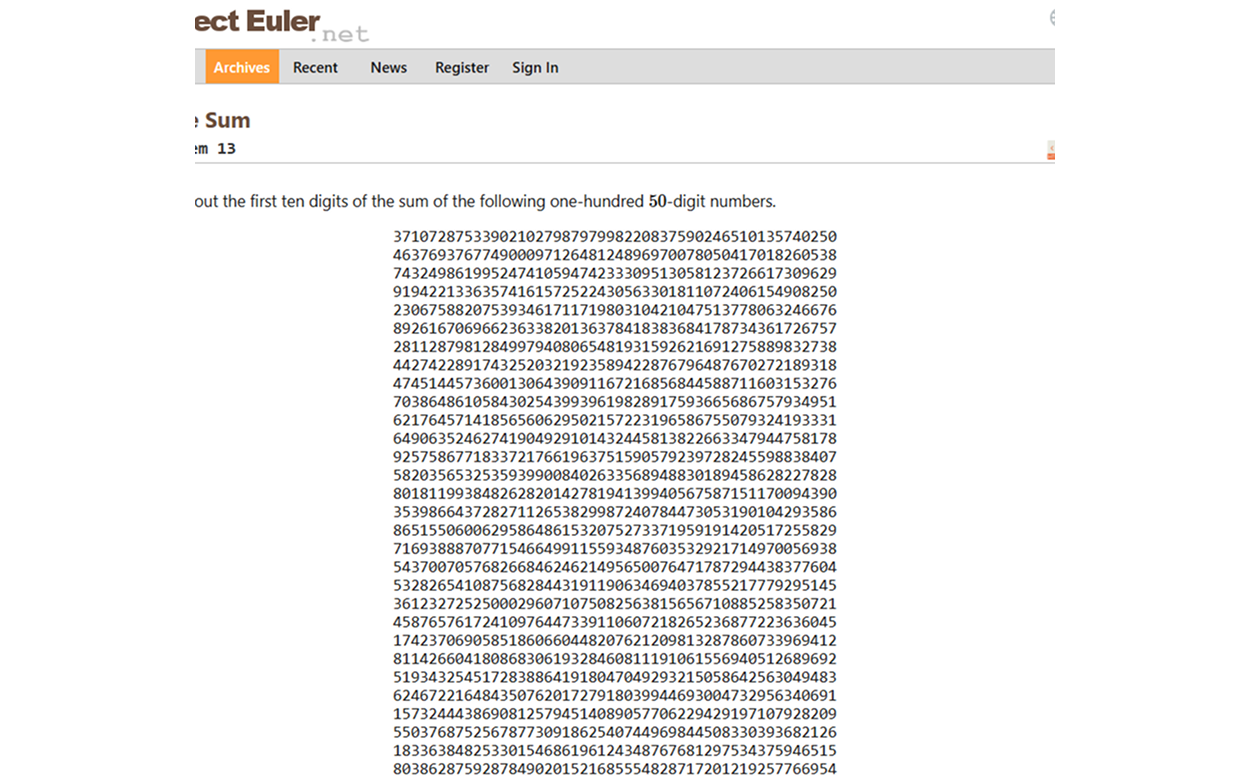
▲Makoto often challenges himself with Project Euler problem examples (from the website)
(※2)JavaFX: A platform for building desktop applications or rich Internet applications using the Java programming language.
(※3)Project Euler: A website offering a series of computational problems requiring mathematical and programming knowledge to solve.
(※4)Java Concurrency in Practice: A famous technical book explaining complex topics in multithreaded programming in Java.
――From then on, how did you end up joining Emurasoft? I heard Yutaka said it was because "you were uncertain about your career, so I casually invited you."
Makoto Emura: Yes. I initially joined Emurasoft as a part-timer. At the time, for me, a student pursuing a computer science degree, working with my father was an excellent opportunity to understand what the engineer profession is really like. This job also became a major motivation for me to complete my degree.
To be honest, I had never seriously considered joining Emurasoft before. But when I graduated from university in 2022, I decided to work here full-time, and I felt really happy about that.
――By the way, when did you first learn about EmEditor?
Makoto Emura: I think I discovered EmEditor among the many software my father had installed on the computer he prepared for me. Out of curiosity, I opened it, and started using it for programming. So, I came to understand EmEditor’s strengths entirely from the perspective of a user.
Son’s Perspective 2: Keeping EmEditor the Best Text Editor
――Yutaka is happy to say that since you joined the development, especially with the construction of the CI/CD pipeline, the stability has greatly improved.
Makoto Emura: I think constructing this CI/CD pipeline was absolutely necessary for improving EmEditor’s development process and product quality. When I joined, EmEditor didn’t have that system.
To explain the process, whenever there’s a change in the code, it automatically runs compilation and testing to catch errors early. Recently, we’ve also introduced AI for code review. Then, when releasing, everything from packaging into formats like Windows installer, portable version, and Microsoft Store version, to uploading, is fully automated. By automating these previously manual processes, we can prevent human errors and focus more on creative work.
The foundation of this CI/CD system is built upon time-tested, proven methods. In other words, it runs the same test code that has been around for years, using the same Advanced Installer (※5) projects to build the installers, and automating the same methods Yutaka used to do manually to deploy the applications.
From this lengthy answer, you can tell I’ve put a lot of enthusiasm into my CI/CD work.
EmEditor has a large and complex codebase, so finding ways to automate it was a big challenge. That’s why it’s important for me to understand the project in depth, both inside and out. I’m also continuously communicating with Yutaka to improve the system to meet our needs.
(※5)Advanced Installer: A GUI tool for creating Windows Installer (MSI) packages.
――Can you tell me about the development process? Yutaka said that he’s responsible for the core engine, and you handle the peripheral areas. How does development actually proceed?
Makoto Emura: Regarding decision-making for EmEditor, often, my father and I brainstorm together first. Then, we decide which part I will take the lead on. My father always comes up with great ideas. In fact, the idea for the "CommitList plugin" and the "chat with AI" feature came from him.
On top of that, since we each "own" different areas of the project, we don’t have to memorize all the details of the codebase and can focus on specific areas. This division of responsibility works very smoothly between us, given our different experiences and strengths.
Especially in the case of EmEditor’s underlying details and overall architecture, I believe my father excels far beyond me.
On the other hand, as a young developer, I tend to actively introduce new technologies where I think they are reasonable. I believe this helps modernize both EmEditor and our services.
And my father has supported these attempts. That’s what I believe.
――Yutaka said there is "no conflict in development between parent and child." How do you feel about that?
Makoto Emura: Yes, that's true. Of course, we sometimes have different ideas on how to solve a problem. For instance, with the UI, my father suggested adding a confirmation dialog box to a certain button, but I felt it wasn’t necessary. However, in the end, his idea seemed more reasonable, so we went ahead and added the dialog box.
We often have different opinions, but we never argue. We simply discuss our ideas and decide which will lead to a better product.
――Lastly, could you tell us what your goals are for the future?
Makoto Emura: "Even if other text editors continue to improve, I want to keep EmEditor the best text editor." I want to make sure we achieve this.
I believe the editing-related features are already at the highest level of speed and are very intuitive to use. We’ll continue to maintain the functionalities that our customers love.
On top of that, as computers improve, we’ll need to optimize EmEditor to take advantage of faster hardware. If new technologies like AI can enhance the product, I’d like to integrate them further. My goal is to keep improving the features our customers love while keeping up with market trends.
In fact, one of the most important things I’ve learned from working at this company is business management. Not only the attitude of providing the best service to customers, but also marketing techniques and financial knowledge that I didn’t learn in college. I’ve realized that while small-scale businesses have many things to manage, they also have the charm of being able to develop products flexibly.
And when my father retires, I plan to take over the business and continue developing EmEditor.
Writer’s Perspective
After reading his answers, there are a few points that stand out to me. First, Yutaka said that he specifically "didn’t teach programming," but for Makoto, receiving technical books from his father was a big turning point in his career.
Yutaka, who humbly claims to "ask Makoto more often for advice," actually came up with ideas for new features like Git integration and AI integration.
What surprised me most, though, was that while Yutaka said he wasn’t sure whether Makoto wanted to inherit the business, Makoto had already decided to "inherit" it. What made Makoto decide to take on his father’s work after joining EmEditor development, even though he started out with a career exploration mindset?
A few weeks later, to clarify this seemingly "the son knows, but the parent doesn’t" situation, we arranged an interview with both of them, this time with an interpreter. (The interview was conducted via video call).
Parent-Child Perspective: Warm Misunderstandings Based on Respect
――I’d like to ask both of you. Yutaka said, "I never taught programming," but Makoto seems to feel that "getting books from his father" was one of the major turning points. About this memory difference, Yutaka, do you recall anything?
Yutaka Emura: Ah… yes. He wanted a book on Windows programming, so I gave him one. That’s true. Honestly, I had almost forgotten about it…
For me, it was just a trivial little gift. But now that I think about it, for the young him at the time, it must have been a very big thing. Now that I think about it, it was actually a good thing.
I never intended to impose anything. I just wanted him to have the opportunity to experience various things. Those books were just one of those opportunities.
――I’d like to ask Makoto again, how did you view your father’s presence during your technical learning process?
Makoto Emura: Yes, my father’s presence was a huge driving force for me to get into programming and software. At first, when I didn’t understand something, I would often ask him.
Of course, Google and other websites later became my main sources of information, but what my father taught me was not just pure knowledge. It was living wisdom rooted in his decades of experience. It’s something I could never have gotten from reading online articles, and it was incredibly valuable to me.
――Regarding the ideas for Git integration or AI features, I hear they actually came from Yutaka.
Yutaka Emura: The ideas were indeed mine. But that’s only because I knew he was interested in those new technologies and was good at them, so I suggested, "You should try it, it might be interesting." As for the actual implementation, 95%, no, 99% of it was done by him.
――Then, Makoto, after graduation, you had other options, but why did you decide to work full-time at Emurasoft?
Makoto Emura: I went through the job-search process with several major companies. During that process, I reflected a lot on my career and came to realize the value of working at Emurasoft. I felt like this place is a very good environment.
Here, we are both developers and part of the marketing team, so we can flexibly reflect our vision in the product. And the boss (my father) truly wants me to succeed in my career, without any ulterior motives.
I feel that this is a kind of luck that many people never get to experience.
So, even though I was uncertain during my trial period, from the very first day I started working full-time, I had already decided. I will continue to work here and eventually take over this company.
――Yutaka, how do you feel about Makoto saying, "From the very first day I became full-time, I decided to inherit the business"?
Yutaka Emura: Hmm, of course, hearing that made me very happy.
But I still don’t want to force him into anything. I just want to respect what he wants to do. That feeling hasn’t changed.
If he decides to do something else in the future, that’s fine. But if he decides to inherit my business, of course, there’s nothing that would make me happier. No matter which path he chooses, it’s all good with me.
――Makoto’s strong desire to continue working at Emurasoft, did you notice it, Yutaka?
Yutaka Emura: Although I didn’t have any certainty, I did gradually feel that he was becoming more serious about the business.
At the same time, I kept telling him, "Maybe one day, I’ll suddenly retire." I don’t want that to happen, but one day, I might board a plane to Japan and it might crash, or I might get sick. I don’t know when something might happen. So, I hope he’s learning all kinds of things on his own, just in case.
However, I’ve been avoiding talking about whether he should inherit the business or how to manage the core of it directly.
Because I never want to force him into accepting this business.
So, yes… this is the first time I’ve heard him say that. (laughs)
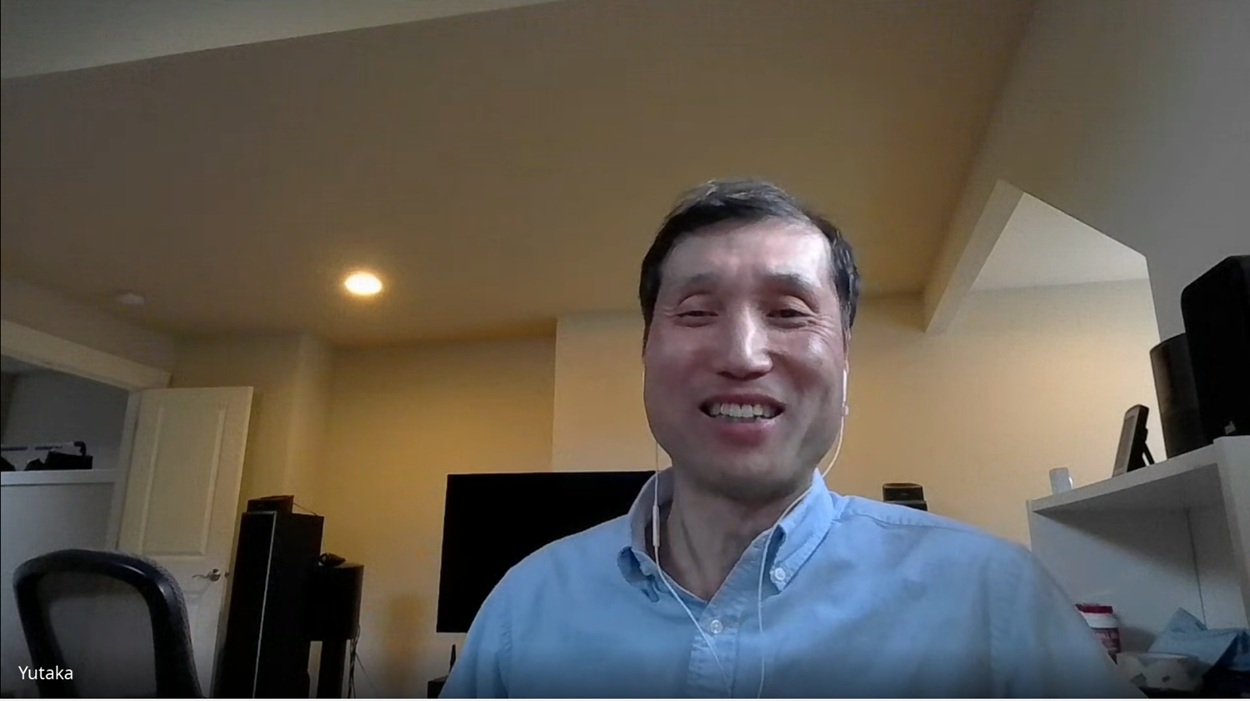
――Lastly, Makoto, what is the source of your motivation in carrying EmEditor’s future forward?
Makoto Emura: First of all, a lot of my motivation comes from customer feedback. I want to continue providing the best experience to our customers. That’s the strongest driving force.
And of course, my father also gives me motivation. Since he’s given me this opportunity, I want to make sure his legacy in this software continues to live on and I hope he will feel "proud" of the work I do.
These two things are the greatest sources of my motivation.
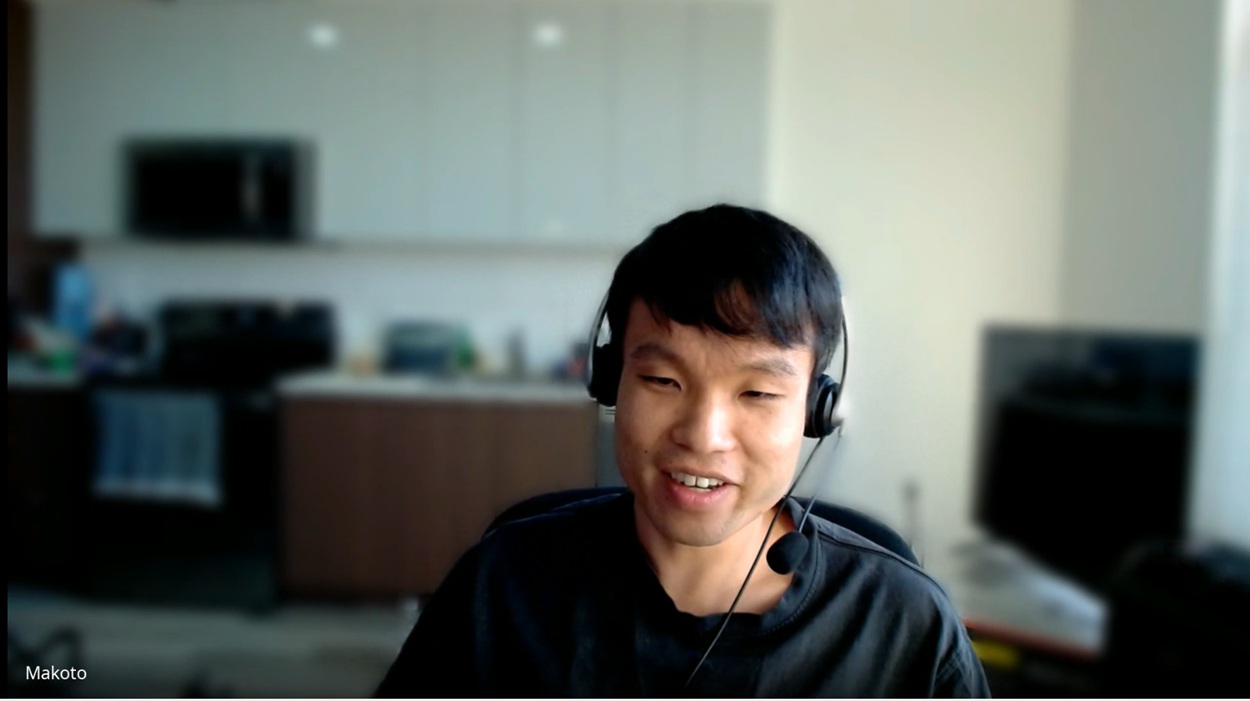
――Thank you so much for your time during this interview.
Interview, Writing, Editing: Kamito Tamura
💡 Related Links
✅ Explanation Article (Traditional Chinese)
✅ Explanation Article (English)
✅ Explanation Article (Japanese)